
Last updated November 21, 2026
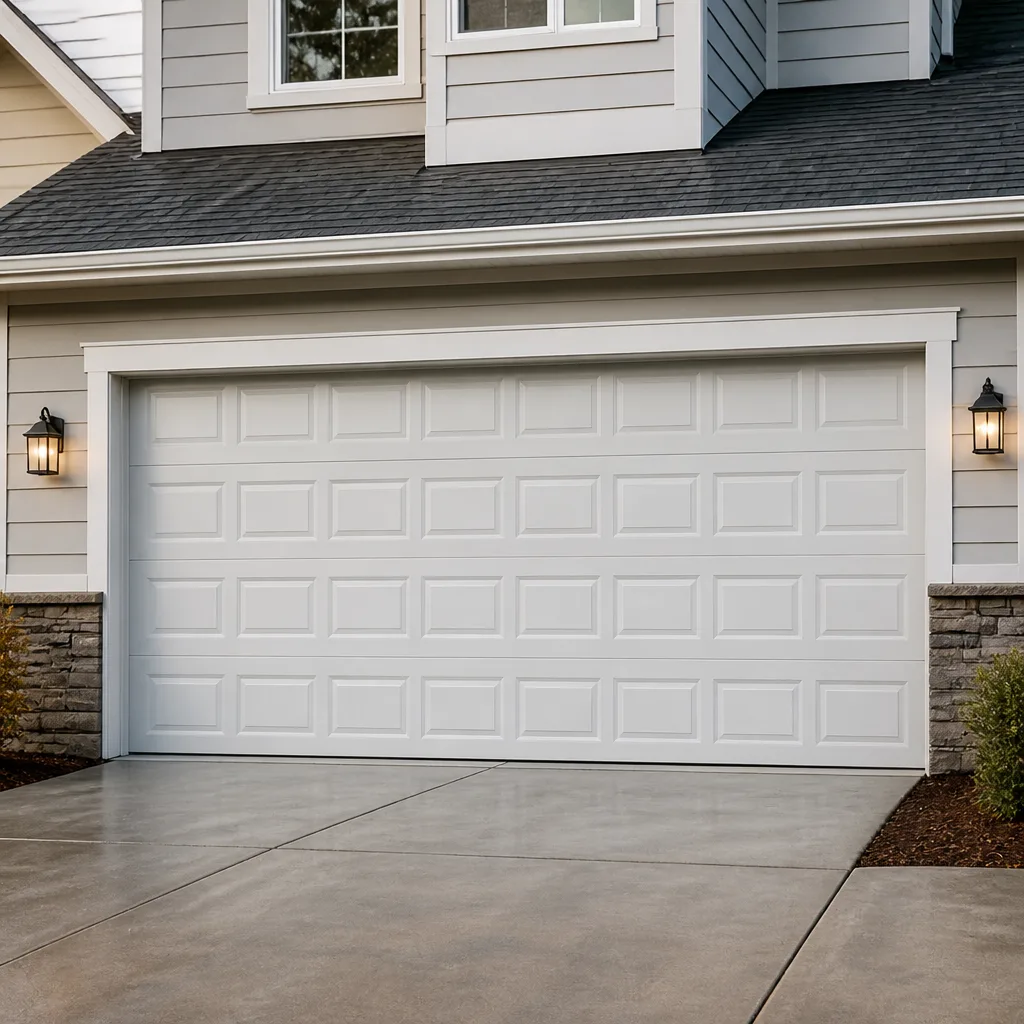 Raised-panel steel
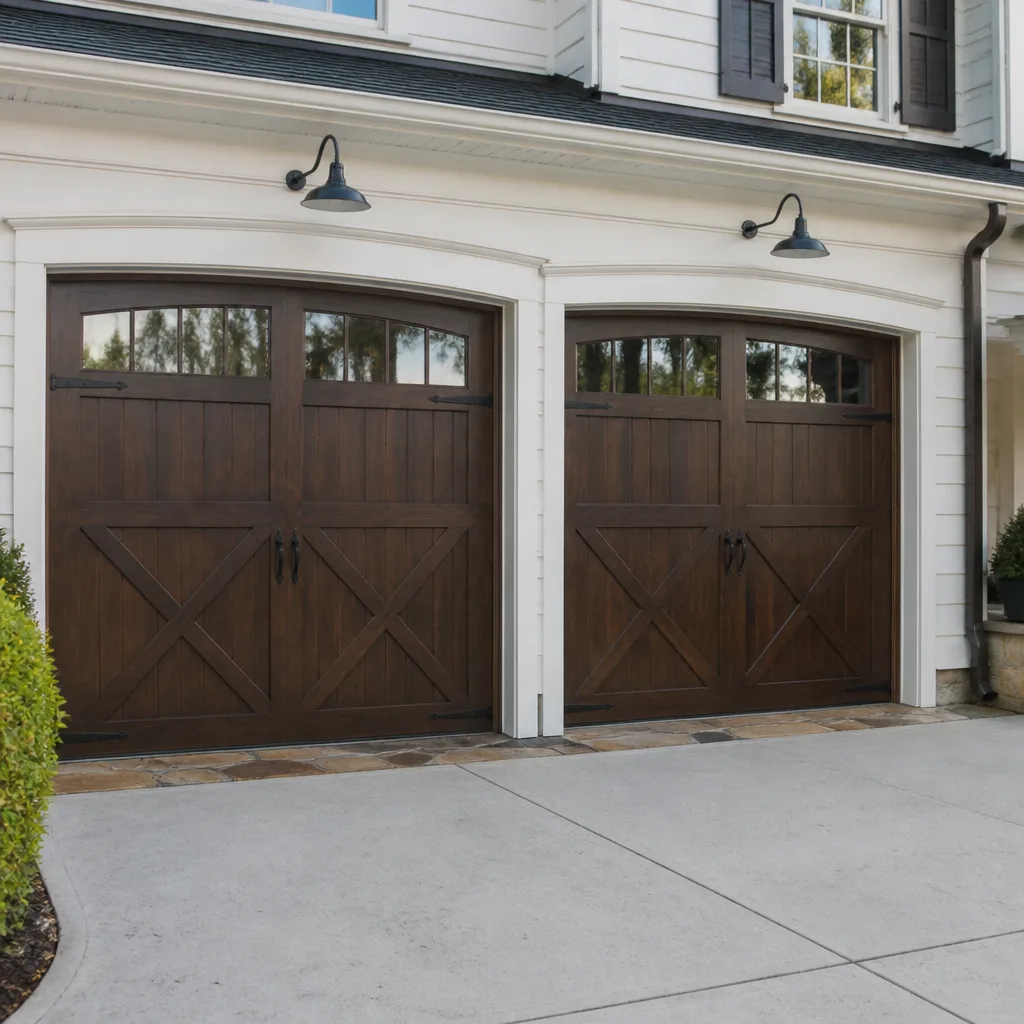 Carriage house
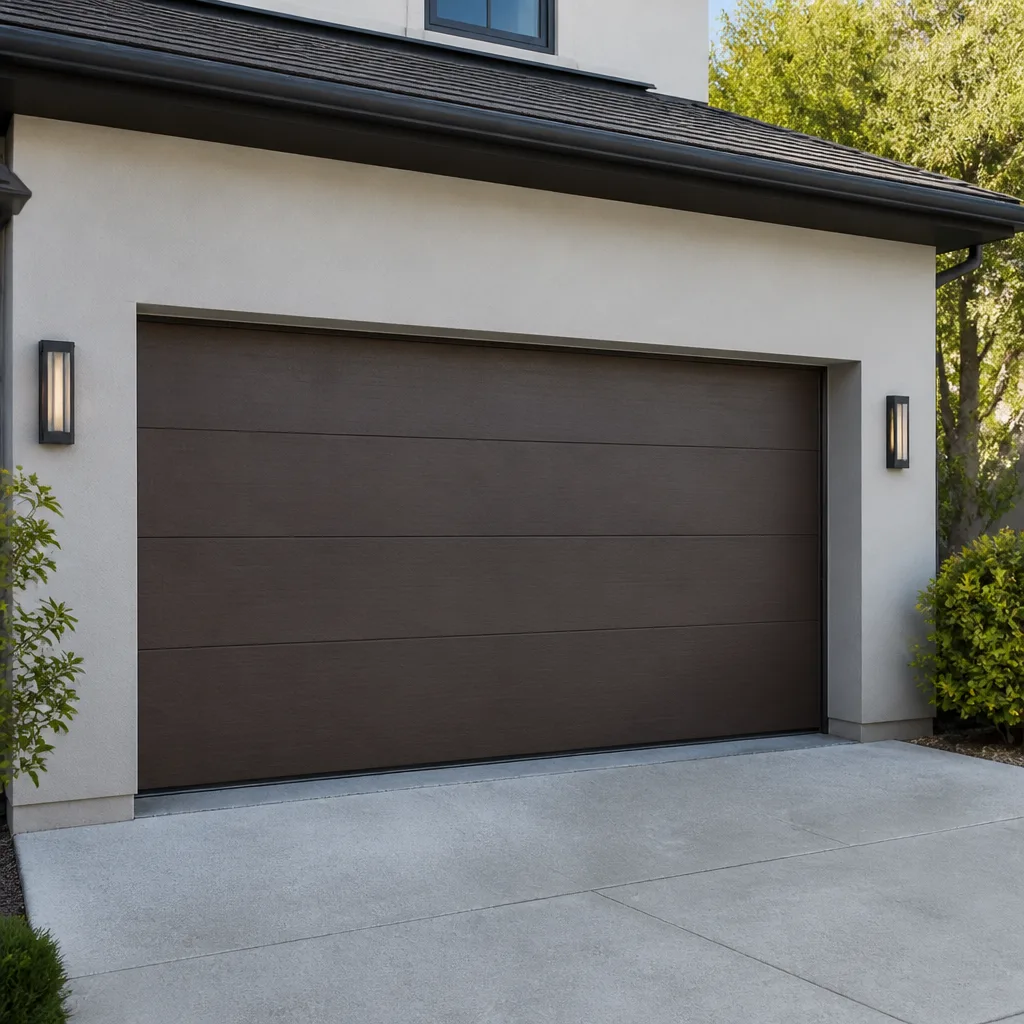 Modern flush
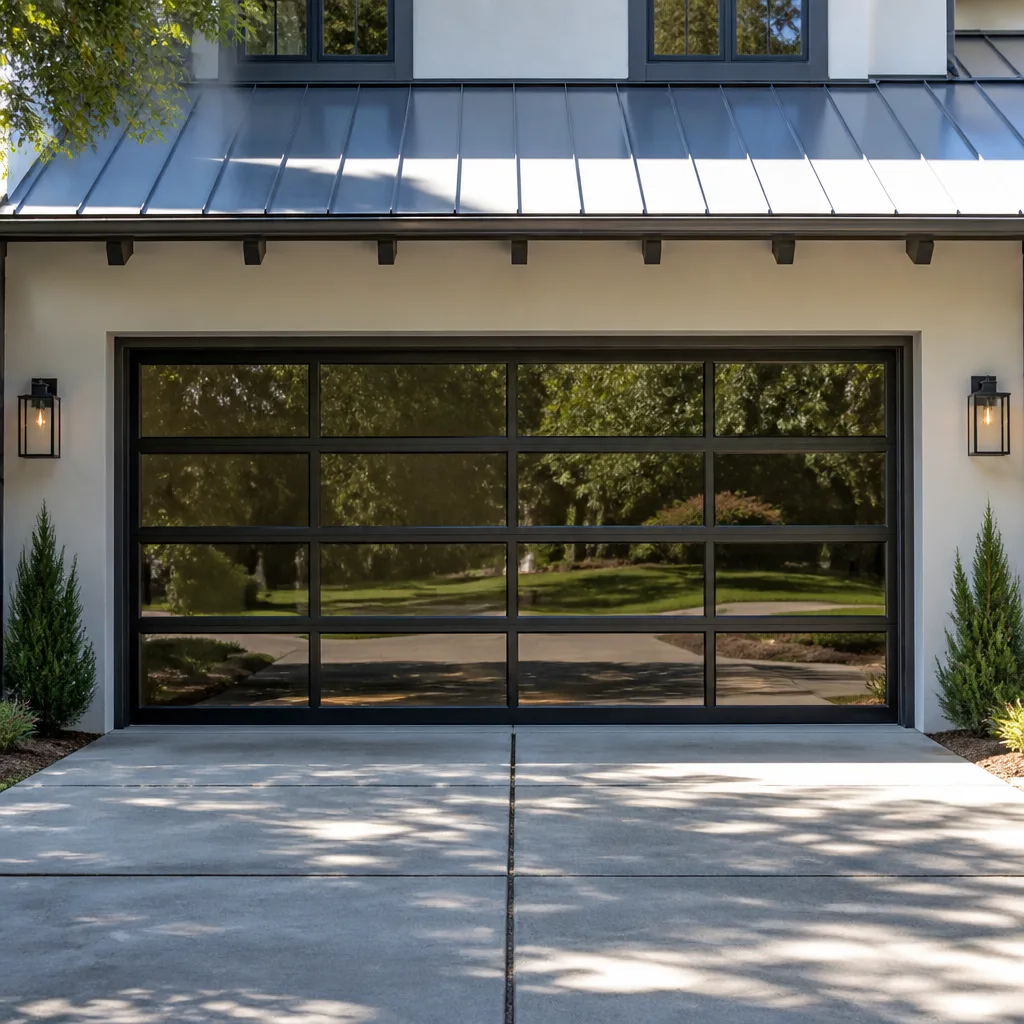 Full-view glass
 LiftMaster openers
 Chamberlain openers
Full 25-point door and opener safety check with every visit - springs, cables, rollers, tracks, and your LiftMaster or Chamberlain opener included
You get a price before we start. It does not change when the pro arrives.
Get your free estimateGarage Door Permits, Codes & Inspections in South Ozone Park, NY: What You Need to Know
Replacing a garage door without a permit usually won’t cause a problem the day the truck leaves your driveway. It causes a problem years later, the day a buyer’s inspector walks up your driveway in South Ozone Park, points at the door, and asks for paperwork you don’t have. The confusing part is that some door work needs a filing with the NYC Department of Buildings and some doesn’t, and the line between the two isn’t where most homeowners assume it is. This guide maps out when garage door work in South Ozone Park, NY needs a permit and when it counts as routine maintenance, what fire-rated door rules mean for attached garages in Queens, what a Certificate of Completion does for you, and how to sort out work that was done without documentation.
Quick Answer
In New York City, a like-for-like garage door replacement is generally treated as an alteration that may require a DOB permit, while routine repairs to an existing door, opener, spring, or track are maintenance and don’t need a filing. Adding a new opening, changing the size of an existing one, or altering the door’s fire rating pushes the job firmly into permit territory. The only way to know for certain on your property is to confirm the scope with the NYC Department of Buildings, so call your local borough office or check with a licensed filing professional before work starts.
Styles & brands we work with
- Raised-panel steel
- Carriage house
- Modern flush
- Full-view glass
- LiftMaster openers
- Chamberlain openers
Table of Contents
- When Does a Garage Door Replacement Need a Permit in NYC?
- What Counts as Maintenance and What Counts as a Modification
- Fire-Rated Doors and Attached Garages in Queens
- What a Certificate of Completion Actually Covers
- DOB Filings vs. HOA and Co-op Board Approvals
- How to Permit Work That Was Done Without Documentation
- What to Expect on Inspection Day
- Choosing an Installer Who Handles the Paperwork Right
When Does a Garage Door Replacement Need a Permit in NYC?
A garage door replacement needs a permit when the work changes something structural, dimensional, or safety-rated about the opening. A same-size swap of a standard door in the same opening, using the same type of door, is the gray area where the answer depends on scope and on how the job is documented. The NYC Department of Buildings draws the line based on whether the work alters the building’s structure, its fire separation, or its approved plans.
In practice, we’ve found the questions below separate most jobs cleanly. Answer them honestly before you order a door:
- Is the opening changing? Widening, heightening, or relocating a garage door opening is a structural alteration and needs a filing.
- Is the door changing type? Swapping a solid door for one with windows, or a standard panel door for an insulated model with a different weight and wind rating, changes the load on the opening and often triggers review.
- Is the door attached to a habitable structure? An attached garage is part of the house’s fire separation, which brings separate rules into play (covered further down).
- Is the header, track, or spring system being re-engineered? A new spring system sized for a heavier door is a change to the assembly, not just a part swap.
- Was the original installation permitted? If the paperwork trail on the existing door is missing, adding a new door on top of an undocumented opening complicates the file.
For a straight replacement of a worn door with a new one of the same dimensions and type in an attached garage in South Ozone Park, the honest answer is that the scope determines the answer and you should confirm it with the Department of Buildings rather than assume. A responsible installer will ask these questions before quoting, not after the door is on the truck. If you’re already decided on a new door and want the measurement side sorted, our garage door installation page walks through how a free measure and written price work.
What Counts as Maintenance and What Counts as a Modification
Repairs to a garage door that’s already installed are maintenance, and maintenance doesn’t need a permit. Replacing a broken spring, swapping a worn roller, straightening a bent track, changing a snapped cable, or repairing an opener are all repairs to an existing, permitted assembly. No filing, no inspection, no Certificate of Completion. That’s the reassuring half of this guide.
The other half is where homeowners get caught. The following cross the line from maintenance into modification:
- Adding a garage door where there wasn’t one. A new opening in a wall is new construction and needs a filing.
- Changing the door’s dimensions. A wider or taller door means the header, jambs, and track all change with it.
- Replacing a fire-rated door with a non-rated one. This downgrades the fire separation of an attached garage, which is a safety change and a code issue.
- Converting the garage to living space. If the door is being removed and the opening filled in, that’s an alteration of occupancy, not a door job.
- Installing a door rated for a different wind load than the opening was approved for. A heavier, higher-rated door changes what the opening is designed to carry.
- Automating a door that was never powered. Adding an opener to a manual door is usually a straightforward upgrade, but if the door itself needs reinforcement to handle the opener, that’s a change to the assembly.
In our experience across South Ozone Park, the calls that turn into permit conversations are almost always dimensional changes or fire-rating questions, not spring swaps. A door that’s just old and tired gets repaired or replaced like for like; a door that’s changing shape or rating needs the paperwork. If a repair is all you need, that’s a different conversation entirely, and you can read how we handle it on our garage door repair page.
Fire-Rated Doors and Attached Garages in Queens
An attached garage shares a wall or ceiling with the house, which makes its door part of the home’s fire separation. In Queens residential zones, including the blocks of South Ozone Park where attached and semi-attached garages are common, the garage door assembly is expected to hold back fire long enough for occupants to get out and for the fire department to arrive. That’s the reason a fire-rated door exists, and the reason swapping one out casually is a bad idea.
Most homeowners don’t hear about this until they’re standing in a showroom picking panel styles. The detail that matters is simple: if your current door carries a fire rating because it separates the garage from living space, the replacement needs to carry the same or better rating, and the installation needs to preserve the seals and hardware that make the rating work. A heavier door hung on the old track with the old hinges can lose that rating in the details.
Where this gets practically tricky in South Ozone Park:
- Semi-attached garages share a wall with the neighboring unit in some layouts, which means fire separation runs in more than one direction.
- Garages under living space in raised layouts put the door’s ceiling assembly in the fire path, not just the door itself.
- Older construction in parts of Queens may predate current fire separation expectations, and a door replacement is often the moment those gaps surface.
- Insulated doors are sometimes assumed to be fire-rated because they’re thick and solid. They aren’t automatically. Insulation and fire rating are separate things.
This is one of the areas where we tell homeowners to ask the installer directly: “Does this door meet the fire rating of the one it’s replacing, and can you show me the paperwork?” If the answer is vague, that’s your signal to slow down. We work with fire-rated assemblies from Clopay and Amarr among others, and we’ll flag the question before you order, not after. For anything involving the door’s structural opening or fire separation, confirm the requirement with the NYC Department of Buildings or a licensed filing professional before the work is scheduled.
What a Certificate of Completion Actually Covers
A Certificate of Completion is the document that closes out a permitted job. It tells the Department of Buildings, and anyone who asks later, that the work described in the permit was done and inspected. It doesn’t cover your whole house, and it doesn’t replace a contractor’s warranty. What it does is create a record that a specific piece of work at a specific address was done to the approved scope.
That record matters in three situations:
- Selling the property. A buyer’s inspector who sees a newer garage door may ask for the permit and sign-off. If the file is clean, the question ends there. If it isn’t, the conversation gets long and expensive-feeling even when the work is fine.
- Filing a homeowner’s insurance claim after door-related damage. If a door is damaged in a storm or a vehicle impact, the insurer may want to know the door was properly installed and documented. A Certificate of Completion supports that. It’s the paperwork that answers the question before it becomes a dispute.
- Future alterations. If you later want to widen the opening or change the door again, having a clean file on the existing installation makes the next filing simpler.
One thing a Certificate of Completion does not do is guarantee the door against anything. It’s a record of compliance, not a warranty. In our experience, homeowners who understand the difference are the ones who keep the paperwork in the folder with the deed and the survey, where it belongs. If you’ve had a door replaced and you’re not sure whether a certificate was ever issued, that’s a question worth chasing down now rather than at closing.
DOB Filings vs. HOA and Co-op Board Approvals
Two completely separate approval systems can apply to a garage door job in South Ozone Park, and homeowners regularly confuse them. The Department of Buildings cares about code compliance and safety. A homeowners association or co-op board cares about appearance, shared structures, and the rules in your governing documents. Passing one doesn’t mean you’ve passed the other.
Here’s how they differ in practice:
- What they review. The DOB reviews structure, fire separation, and code. A board reviews color, panel style, material, and whether the change is allowed at all under the association’s rules.
- What triggers them. A DOB filing is triggered by the scope of the work (structural, dimensional, or fire-rating changes). A board approval is triggered by anything visible from the street or touching a shared element, even a like-for-like swap in some communities.
- Timing. Board approvals often take longer than the DOB filing, and they usually run on the board’s meeting schedule. Plan for that.
- Consequences. A missed DOB filing creates a paperwork problem at sale time. A missed board approval can result in a demand to remove or replace the door at your cost.
In parts of Queens where attached and semi-attached homes share structures, board and association rules can also govern the shared wall, the roofline over the garage, and even the door’s finish. If your South Ozone Park home sits in a development with a managing agent, the first call is to them, not to a showroom. The second call is to the DOB if the scope crosses into permit territory. Do both before you order a door, because once a door is manufactured to a color the board won’t approve, the problem is yours.
How to Permit Work That Was Done Without Documentation
Work that was done without a permit can often be permitted after the fact, but the process is slower and more involved than filing before the work starts. In New York City, the Department of Buildings handles this through the DOB NOW system, and the general shape of the process runs like this:
- Find out what the record shows. Pull the property’s records through the DOB and confirm what was filed, what was approved, and what was never closed out. Sometimes the work was permitted and the certificate was simply never issued, which is a much easier fix than unpermitted work.
- Get a clear scope of what exists. A licensed filing professional will need to know exactly what was installed: door size, type, rating, hardware, and how it was attached.
- File through DOB NOW with the right professional. Retroactive filings typically need a licensed architect or engineer to prepare and submit the application, depending on the scope. This is not a DIY paperwork exercise.
- Expect an inspection of the existing work. The inspector will look at what’s there. If the installation doesn’t meet current code, the fix may be to modify or replace it before the certificate can issue.
- Close out the job and keep the certificate. Once the inspection passes, the Certificate of Completion goes in your file, and the record is clean.
Two things make this less painful than it sounds. First, it’s far more common than homeowners think, especially in older Queens housing stock where previous owners made changes without filing. Second, doing it proactively, before a sale or a refinance, is far cheaper emotionally and often financially than doing it under a buyer’s deadline. If you’re in South Ozone Park and you’re not sure whether a garage door on your property was ever documented, getting the record straight now is the move. Confirm the current filing requirements with the NYC Department of Buildings or a licensed professional before you start, since the process details can change.
What to Expect on Inspection Day
An inspection for garage door work focuses on whether the installed door matches what was approved and whether it’s safe and code-compliant in its opening. The inspector isn’t there to judge your taste in panels. They’re checking structure, rating, and installation.
What typically gets looked at:
- The opening and header. Does the door fit the opening as approved, and is the header sound and correctly sized for the door’s weight?
- Fire rating. For attached garages, whether the door’s rating matches what the plans specified, and whether the seals and hardware preserve it.
- Hardware and safety devices. Hinges, rollers, springs, tracks, and the door’s balance. If the door has an opener, the safety reverse and photo-eye systems are part of what gets checked.
- Labeling. Fire-rated doors and other rated assemblies carry labels, and the inspector will want to see them.
- Documentation. The approved plans and the permit need to match what’s in front of the inspector.
A couple of practical notes. Clear access to the garage and the driveway on inspection day, because the inspector needs to open and close the door fully. Keep the door’s paperwork, including the manufacturer’s rating documentation, in one place. And if the inspector flags something, treat it as a punch list rather than a disaster. Most items are small adjustments that can be resolved and re-inspected.
If the inspection is coming up and your door has been behaving oddly, fix that before the inspector visits. A door that won’t reverse properly or that jumps on the track is going to draw attention for reasons that have nothing to do with paperwork. Our garage door opener repair page covers the safety systems that most often come up.
Choosing an Installer Who Handles the Paperwork Right
The right installer for a permitted job asks about scope before quoting, not after. That’s the single clearest signal in our experience. If you call for a garage door and the first question is about panel style instead of whether the opening is changing dimensions, you’re talking to someone who’s going to hand you a problem later.
Here’s what to look for when you’re choosing someone to do the work:
- They ask about the opening, not just the door. A good installer wants to know whether the dimensions are changing, because that changes everything about the job.
- They raise the fire rating question unprompted. On an attached garage in South Ozone Park, the right installer brings it up. The wrong one waits for you to ask.
- They can tell you clearly whether the job needs a permit. A vague answer, or a promise that “you don’t need one,” is a red flag. The scope determines the answer, and they should say so.
- They hand you a written price before any work starts. The estimate is free, and the price is set per job by the written estimate. Nothing should change once the door is off the wall.
- They know the brands on your door and your opener. If you have a Clopay door and a Genie opener, they should recognize both immediately and repair or replace without a second contractor.
- They’re clear about who does the filing. Most garage door installers aren’t filing professionals. The best ones will tell you exactly who needs to handle the paperwork and when.
- They don’t upsell a replacement when a repair will do. Same door, fixed right, is cheaper for you and it’s what a specialist should offer first.
We’re a single-trade garage door specialist, not a generalist contractor. That means when the scope question comes up, we’re not guessing across twenty trades. We work on LiftMaster, Chamberlain, Genie, Clopay, Amarr, Wayne Dalton, Craftsman, and Raynor systems every week, and our technicians have up to 12 years of experience. If a repair will do, we’ll tell you. If a door is beyond saving, we install new doors as well, so you don’t need to source a second contractor. From opener to panel, one call covers it. You can read more about how we approach the full range of work on our Garage Door Repair South Ozone Park page.
Common Mistakes to Avoid
- Assuming a like-for-like swap never needs a permit. It often doesn’t, but the scope and the way the job is documented determine the answer, and assuming it away is how a sale gets held up. Confirm with the DOB rather than assuming.
- Replacing a fire-rated door with a non-rated one because it was cheaper. In an attached garage in South Ozone Park, that downgrades the fire separation and creates a code issue that has to be fixed later, at your cost.
- Ordering the door before checking board or association rules. If your community has a managing agent, check the color, style, and material rules before the door is manufactured. A door the board won’t approve is a door you own and can’t use.
- Not keeping the Certificate of Completion. The certificate is the record that closes out the job, and it’s the document a buyer’s inspector and an insurer may ask for. Keep it with the deed, not in a drawer of receipts.
- Trying to permit past work without pulling the DOB record first. Sometimes the work was permitted and the certificate was never issued, which is a much easier fix. Check the record before assuming the worst.
- Calling a generalist handyman for a garage door job. The scope questions that determine permitting, and the spring work that determines safety, are the two things a generalist is least equipped to answer. A single-trade specialist is the right call.
- Skipping the written estimate. Without a written price, there’s no agreed baseline, and the price can drift. Get it in writing before work starts.
See the difference
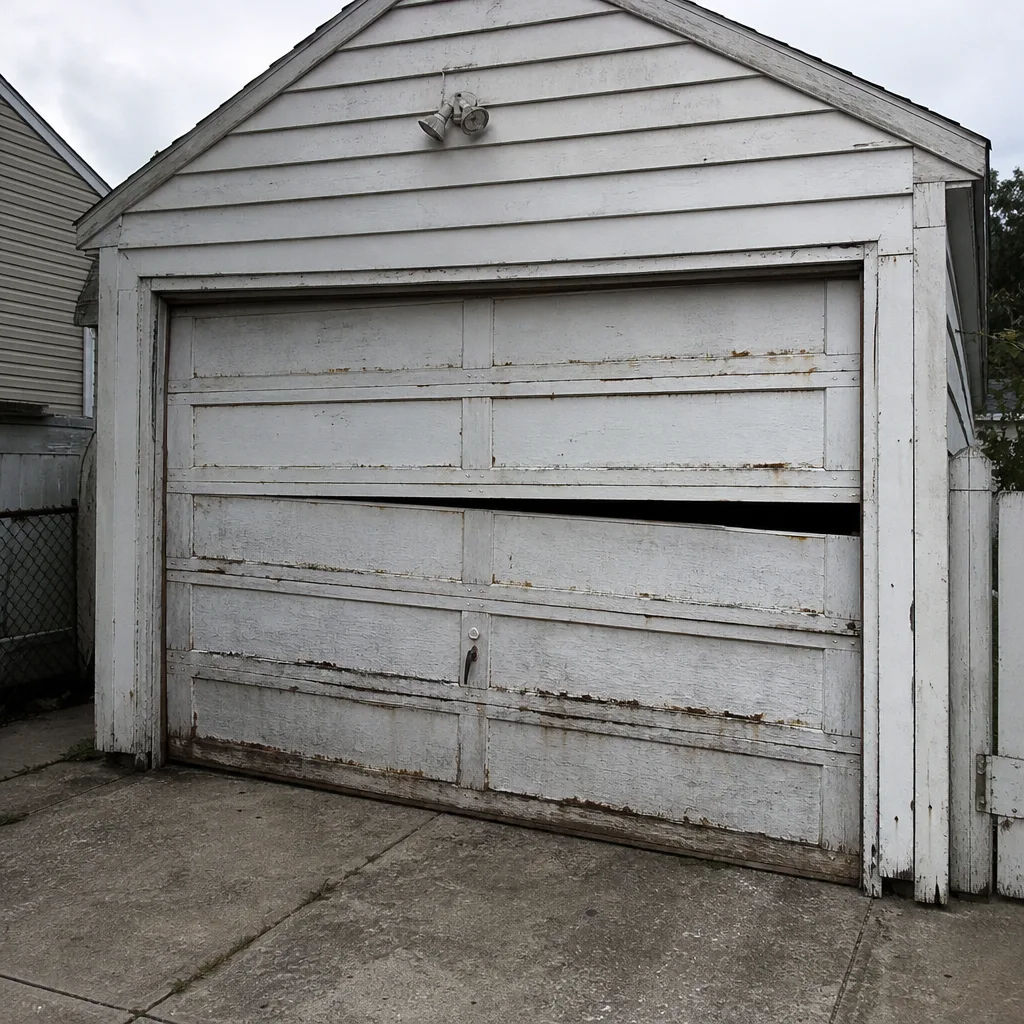 Before
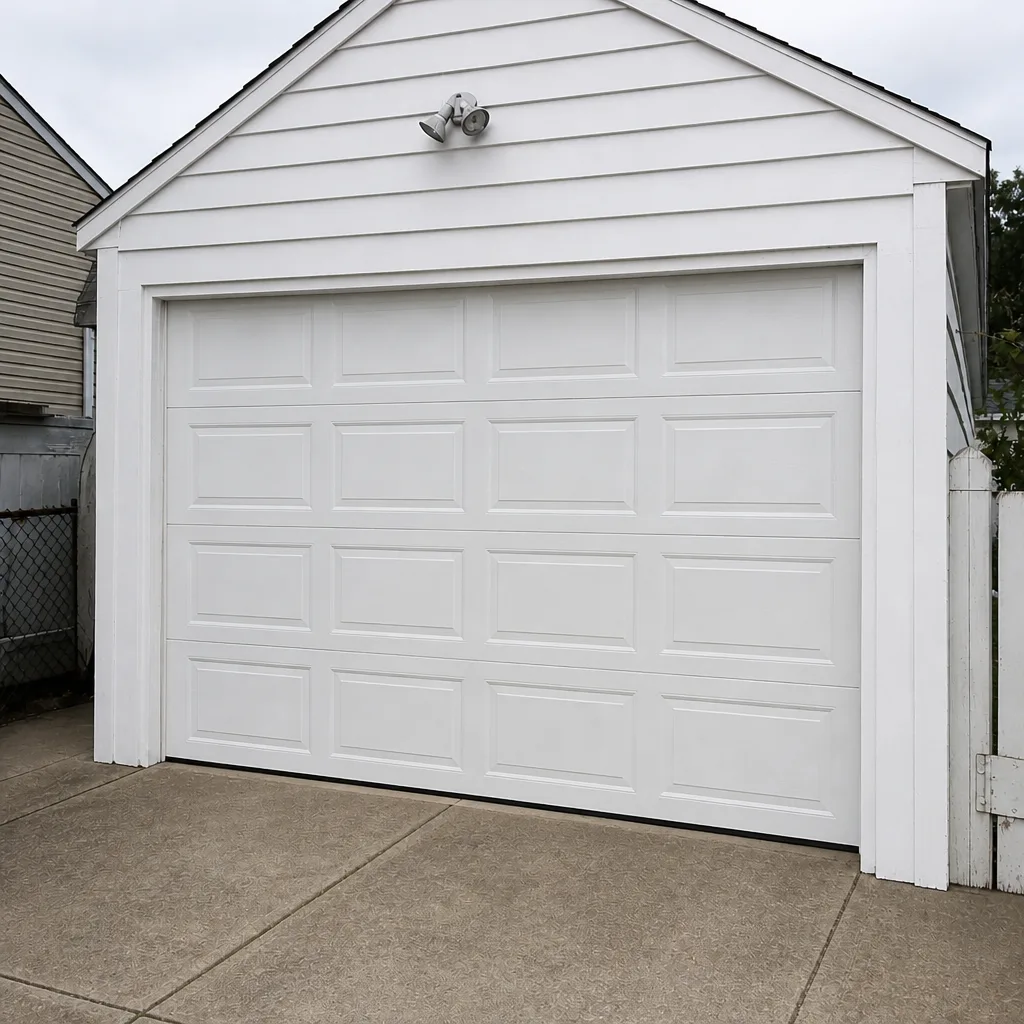 After
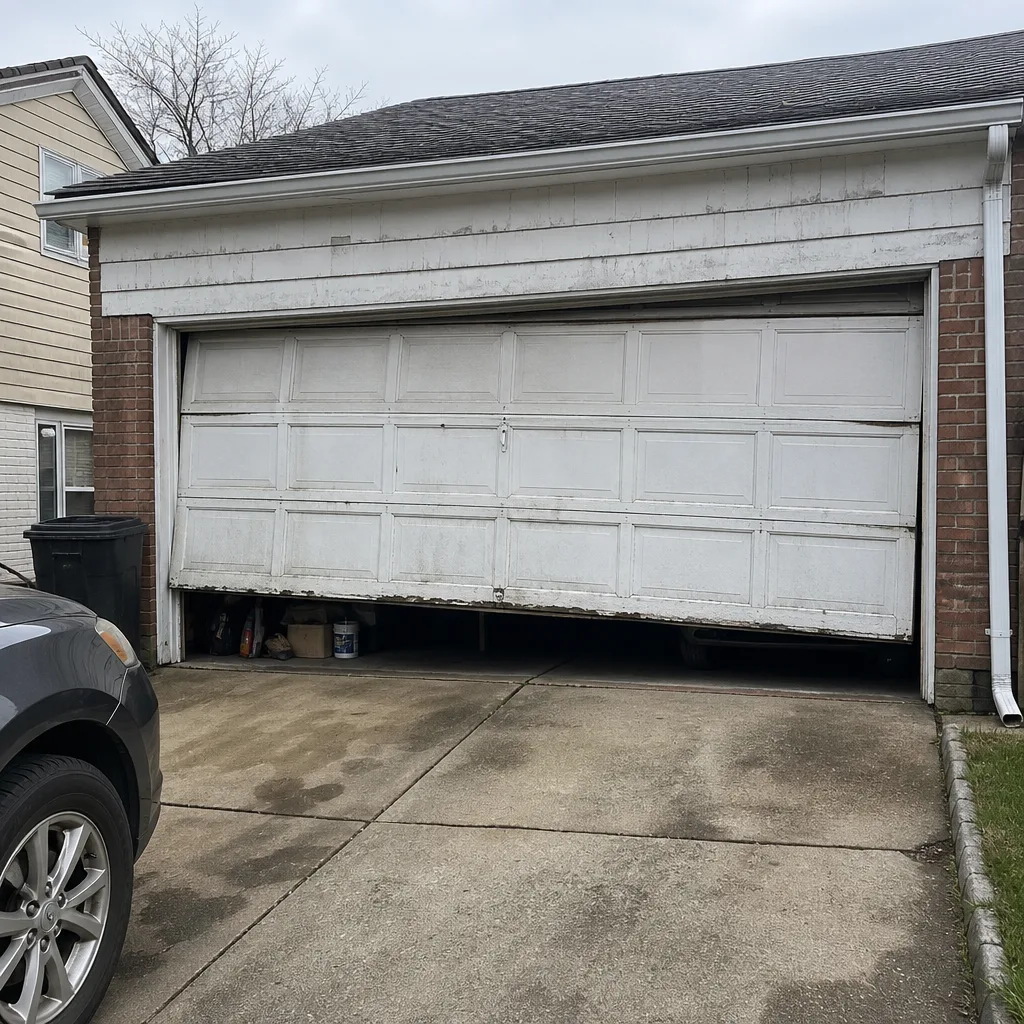 Before
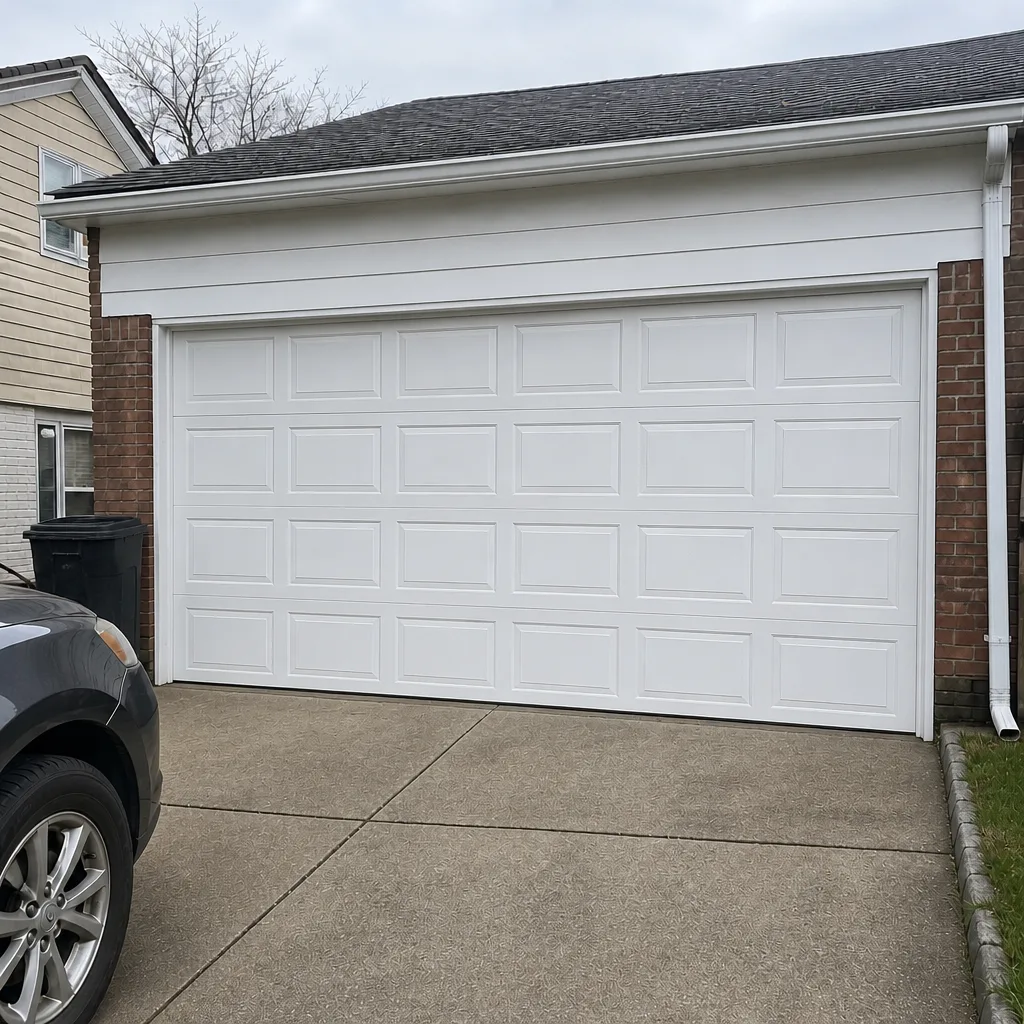 After
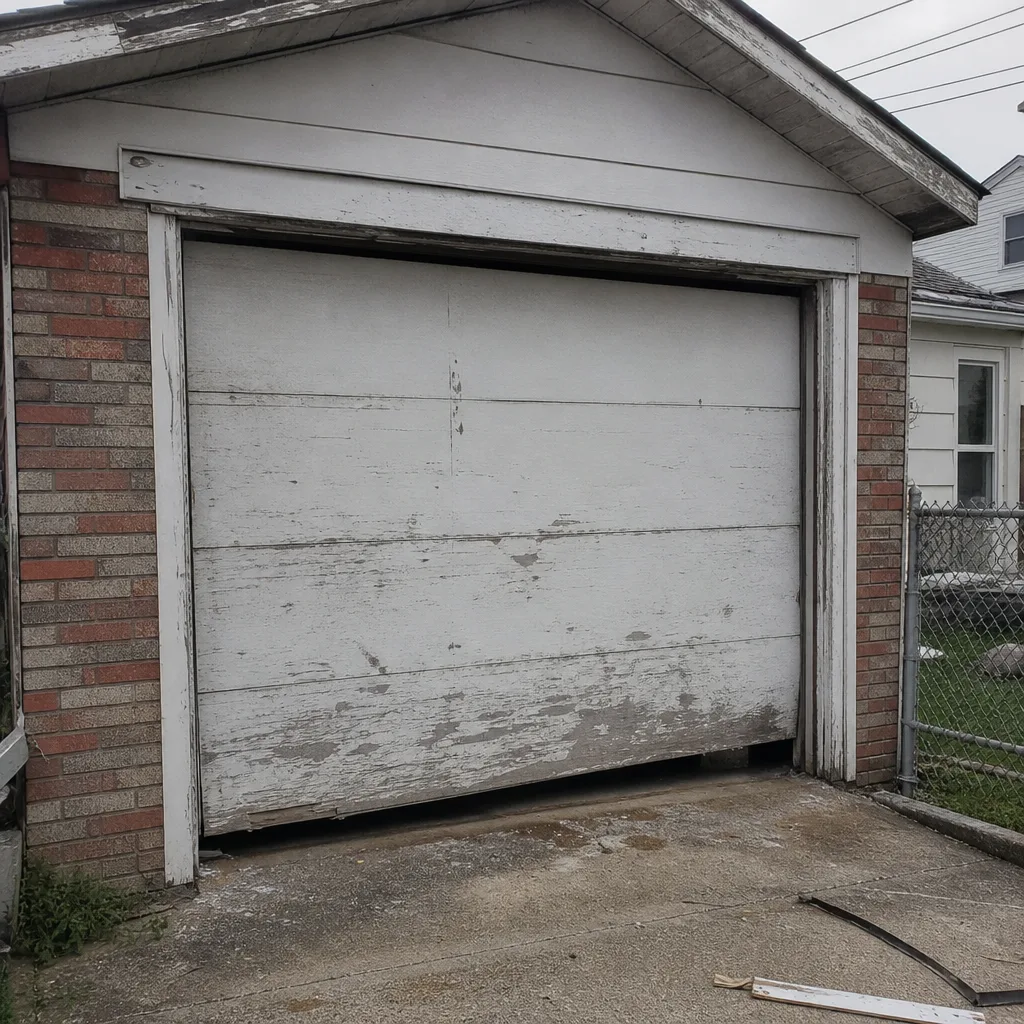 Before
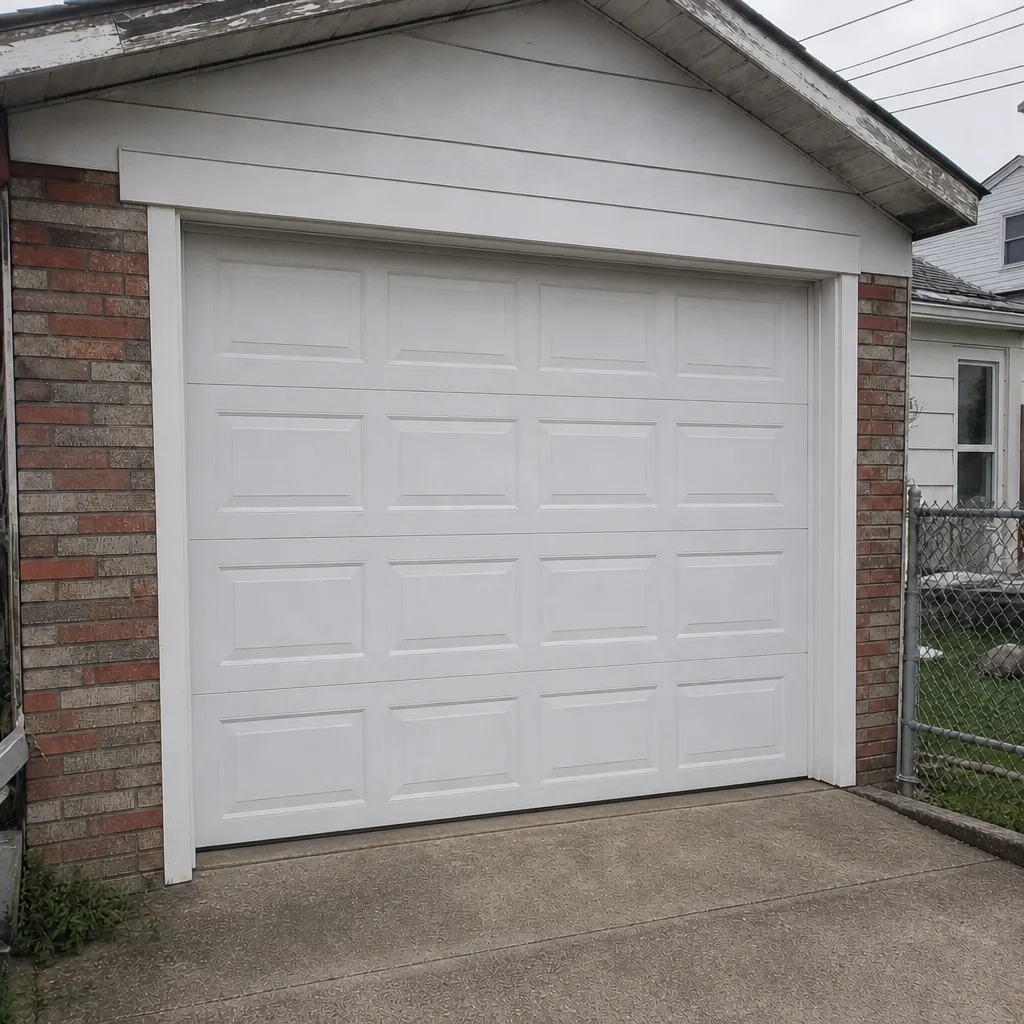 After
When to Call a Professional
Call a professional when the door won’t move, when the spring has broken, when the door is hanging off its track, or when the opener has stopped responding and you’ve already checked the obvious: the power, the remote, and the wall switch. Call when the door is changing dimensions or type, because that’s the point where permitting and fire rating enter the picture and a specialist is the right voice to have on the phone. Call when a home sale, a refinance, or an insurance claim is coming up and you’re not sure whether the garage door on the property was ever documented. In our experience in South Ozone Park, the questions that start as “is this worth a call?” almost always turn out to be worth it. Garage Door Repair South Ozone Park offers free estimates in South Ozone Park. Call (877) 810-4860. We answer 24/7. Fast dispatch from 7am to 7pm, Sunday through Friday, and we’re closed Saturday.
Frequently Asked Questions
It depends on the scope. A like-for-like replacement in the same opening may be treated as an alteration that needs a DOB filing, while a straight repair to an existing door, opener, spring, or track is maintenance and doesn’t. Changing the opening’s size, changing the door’s fire rating, or changing the door’s type pushes the job firmly into permit territory. Confirm the scope with the NYC Department of Buildings before work starts. Call (877) 810-4860 for a free estimate and we’ll walk you through the scope question.
No. Spring, cable, roller, track, and opener repairs on a door that’s already installed are maintenance, not alterations, and they don’t require a filing with the NYC Department of Buildings. The same goes for a routine garage door repair in a permitted opening. What does need attention is the safety side of spring work, since a wound spring holds serious stored energy and shouldn’t be handled without the right tools and training. Call (877) 810-4860 and we’ll get it looked at.
It’s the document the Department of Buildings issues when a permitted job has been inspected and closed out. It creates a record that the specific work at your address was done to the approved scope, which is what an insurer may want to see if a door is damaged in a storm or a vehicle impact and you file a claim. It doesn’t replace a warranty. Keep it in your property file, and if you’re not sure whether one was ever issued, call (877) 810-4860 and we’ll help you sort out where you stand.
Often, yes. The Department of Buildings handles retroactive permitting through DOB NOW, and the process usually involves a licensed architect or engineer preparing the filing and an inspection of the existing work. The first step is to pull the property’s DOB records, because some jobs were permitted and simply never closed out. If you’re in South Ozone Park and you’re facing a sale or a refinance, starting the process before the deadline is far simpler than starting after it. Call (877) 810-4860 for a free estimate and we’ll point you in the right direction.
They can, and they’re separate from the DOB process. Board and association rules often govern color, panel style, material, and anything visible from the street, even on a like-for-like swap in some communities. Passing the DOB process doesn’t satisfy a board review, and vice versa. If your South Ozone Park home sits in a development with a managing agent, check with them before ordering a door. Call (877) 810-4860 if you need the door side explained before you make the call.
The door loses the fire separation it’s supposed to provide between the garage and the living space, which is a code issue, not just a paperwork one. An inspector may flag it during an unrelated inspection, and the fix is often to replace the door again or modify the assembly to restore the rating. The right answer is to confirm the rating of the existing door and require the replacement to meet or exceed it. Call (877) 810-4860 for a free estimate and we’ll flag the fire-rating question before you order.
The Bottom Line
Permitting a garage door in South Ozone Park comes down to scope. Repairs, spring swaps, opener fixes, and routine parts are maintenance and move quickly. Dimensional changes, new openings, and fire-rating changes need a DOB filing and a Certificate of Completion at the end. Attached garages in Queens bring fire separation into the picture whether or not anything else changes, and board or association rules run on a separate track from the DOB process. If past work was never documented, retroactive permitting through DOB NOW is the fix, and getting ahead of it is far easier than getting caught by it. Confirm scope with the DOB before you order a door, keep the certificate with your property file, and check what we handle on our garage door repair page before you schedule.
If your garage door needs repair, replacement, or a scope call before a sale, call (877) 810-4860. We answer 24/7. Fast dispatch from 7am to 7pm, Sunday through Friday, and we’re closed Saturday. Estimates are free and the price is agreed in writing before any work starts.
Written by the team at Garage Door Repair South Ozone Park.