
Last updated November 21, 2026
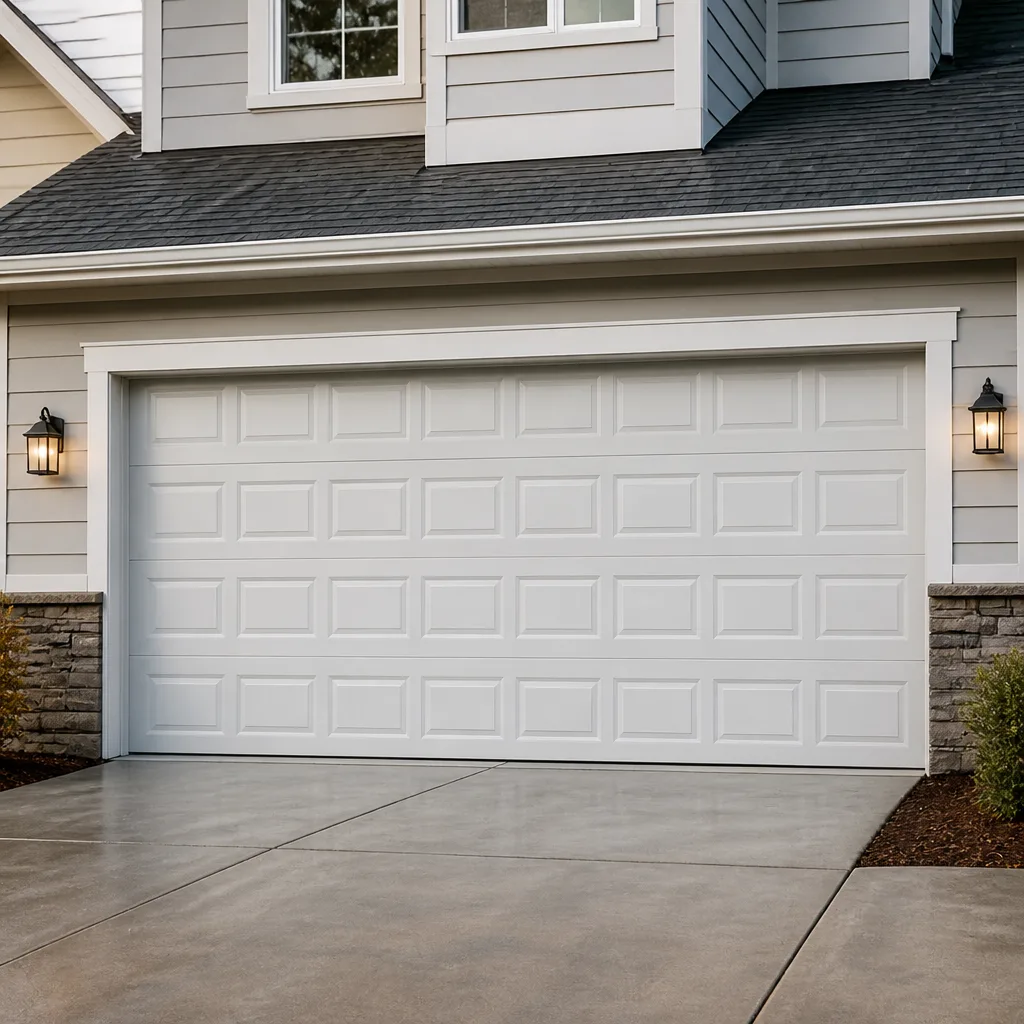 Raised-panel steel
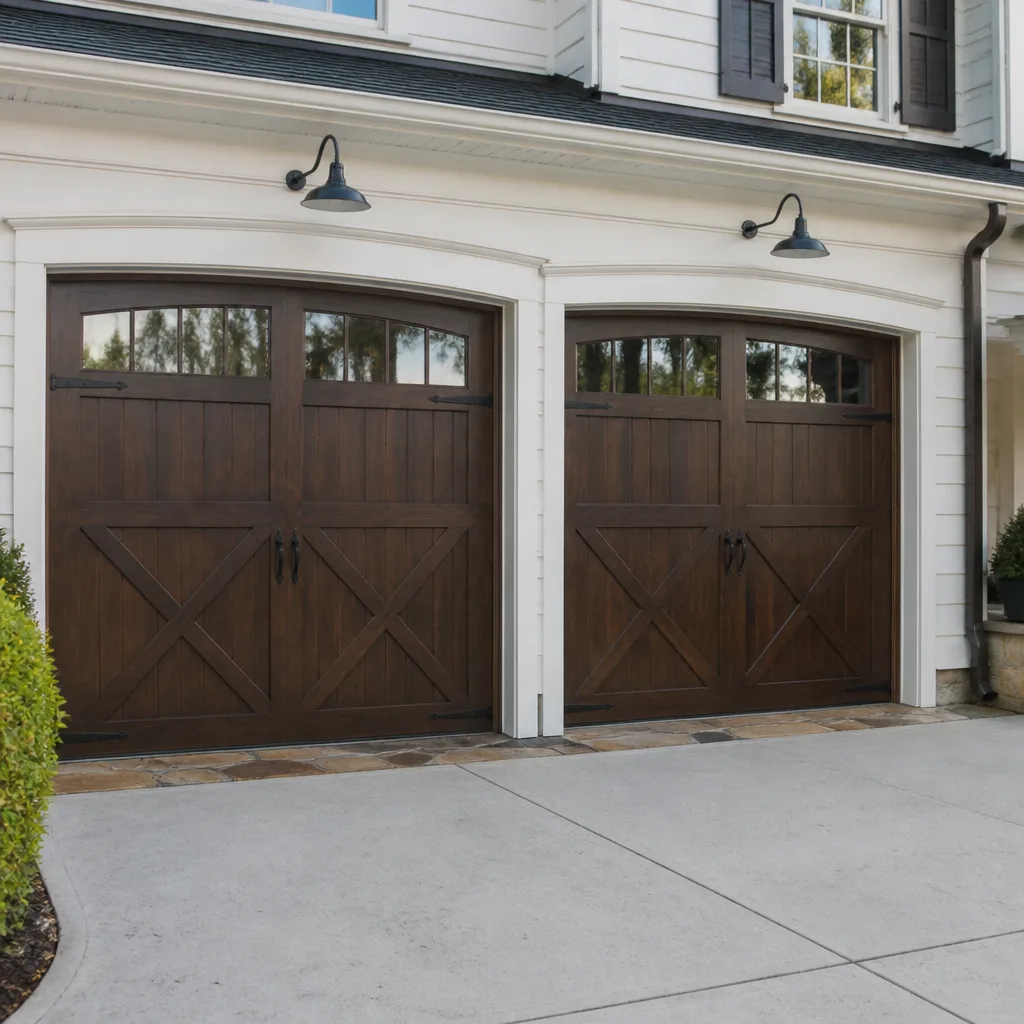 Carriage house
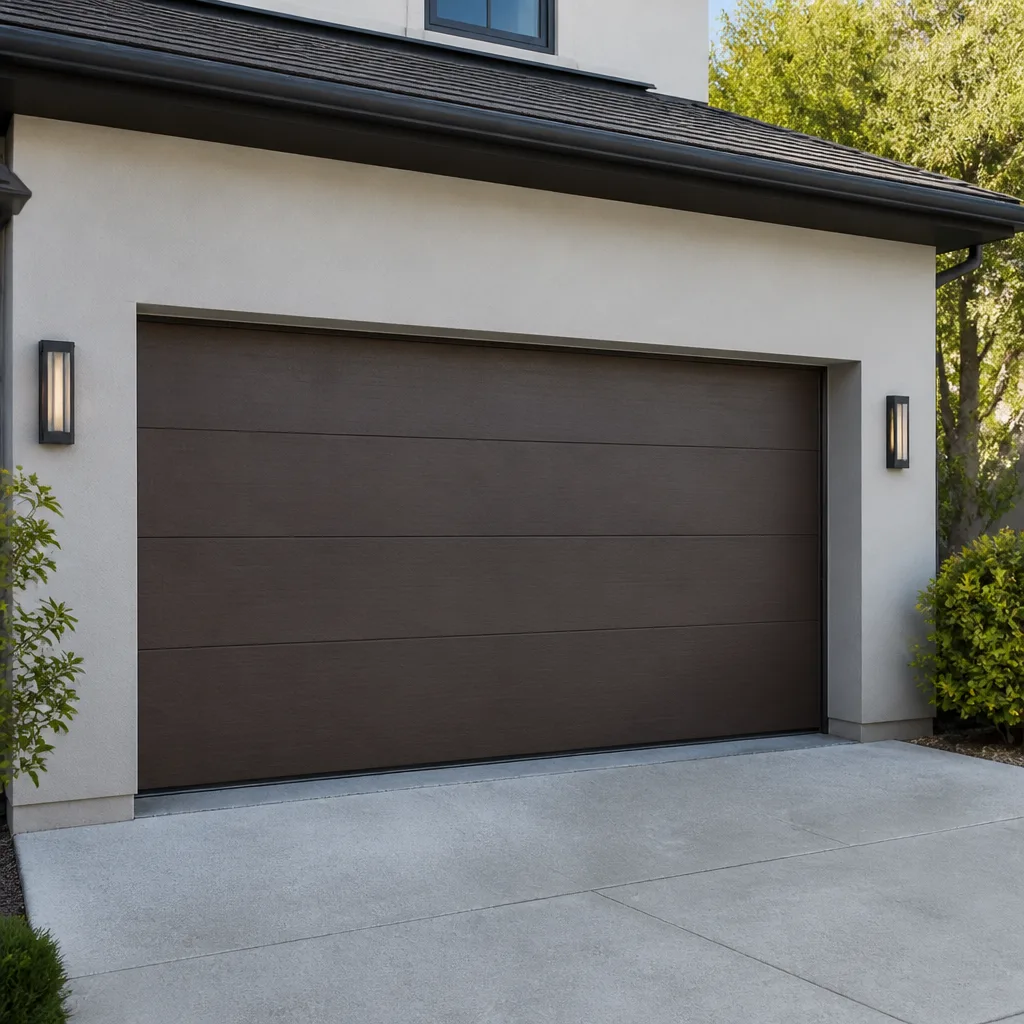 Modern flush
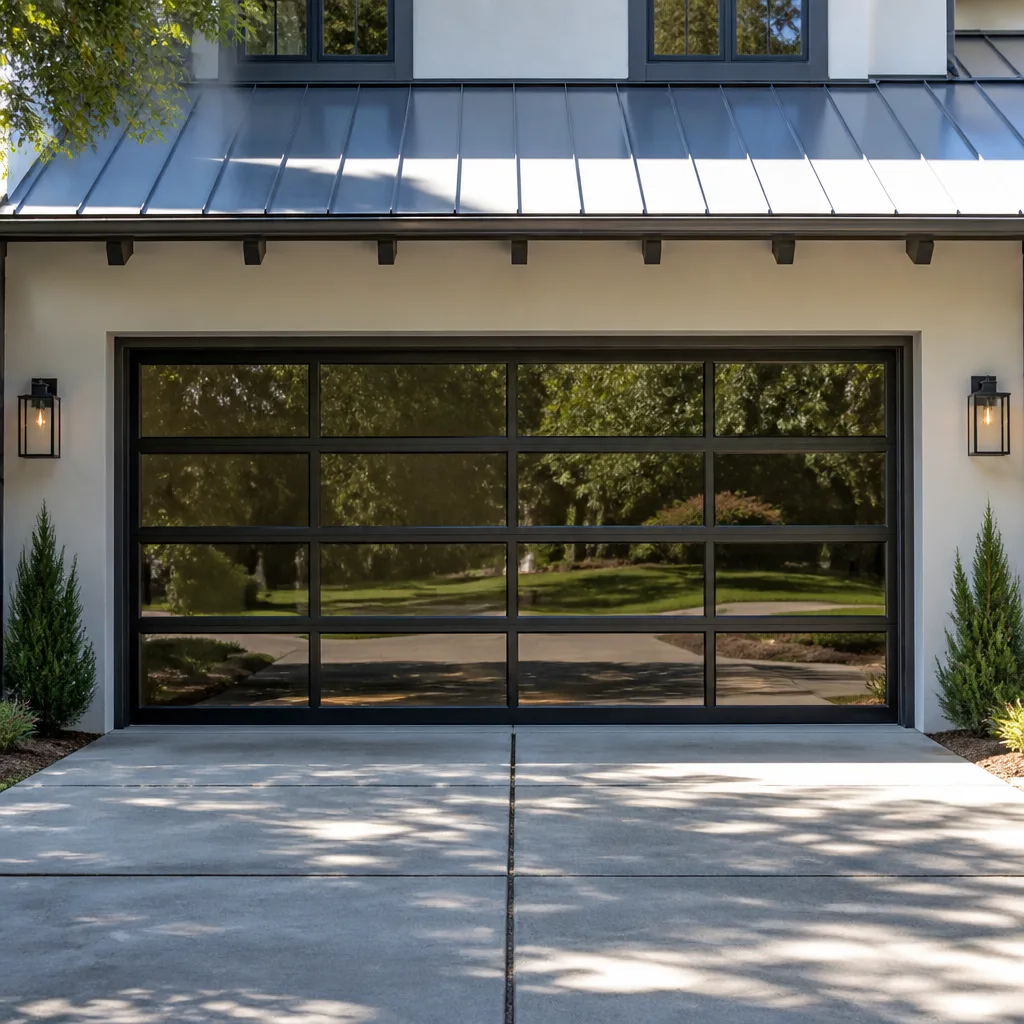 Full-view glass
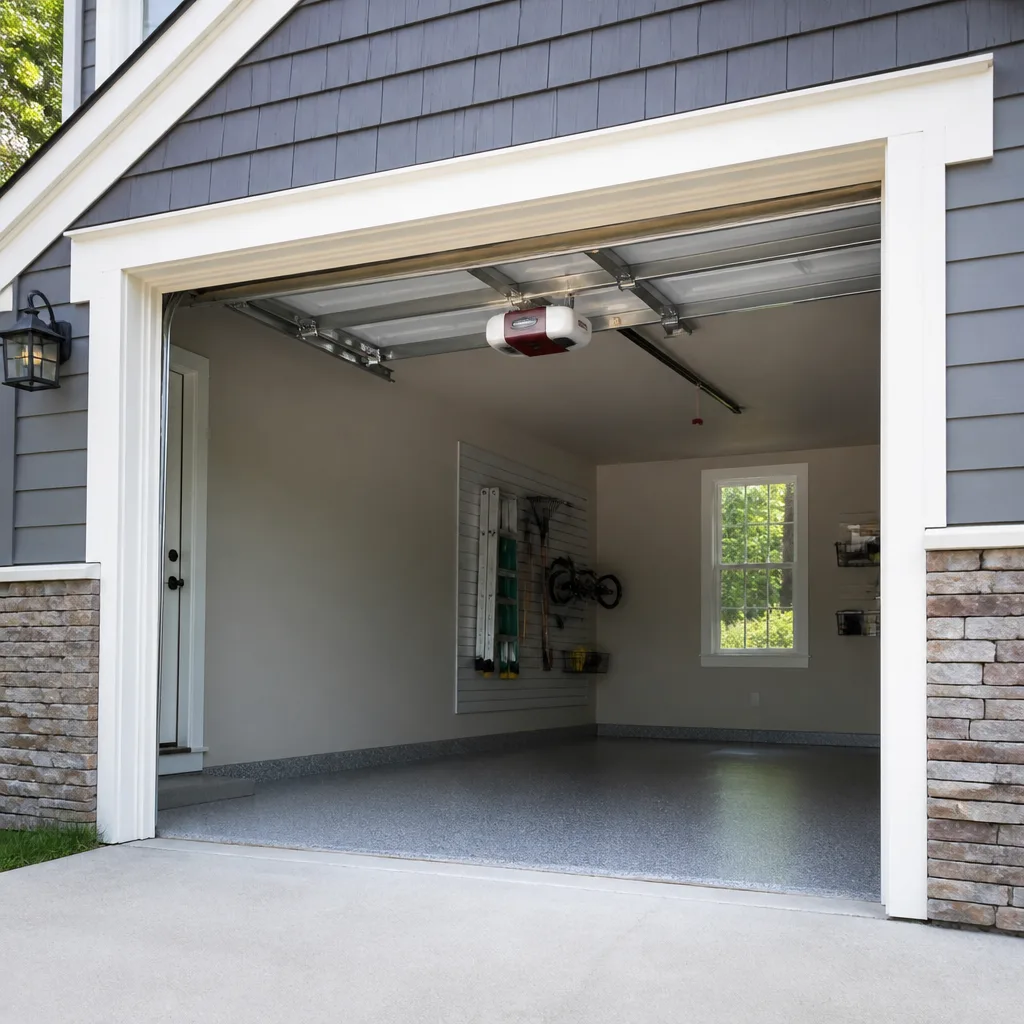 LiftMaster openers
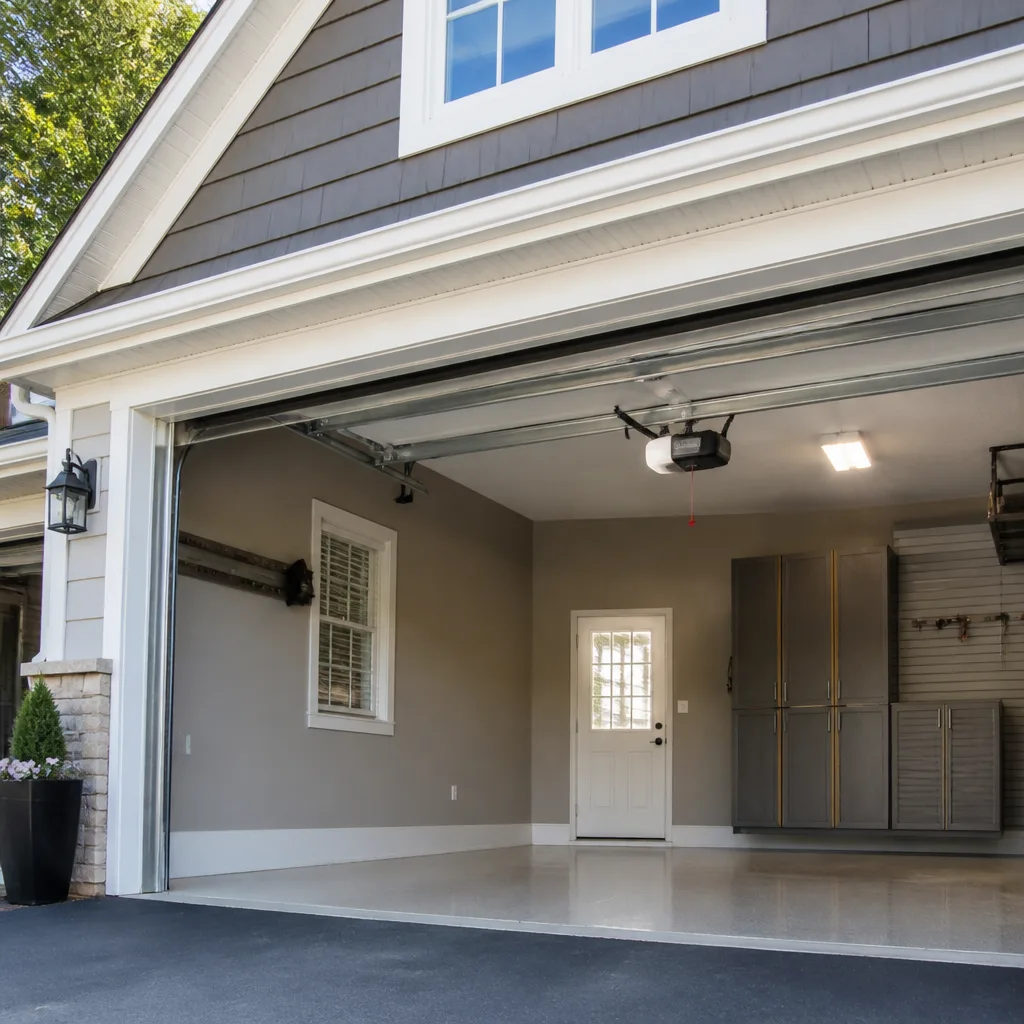 Chamberlain openers
Full 25-point door and opener safety check with every visit - springs, cables, rollers, tracks, and your LiftMaster or Chamberlain opener included
You get a price before we start. It does not change when the pro arrives.
Get your free estimateGarage Door Repair Troubleshooting in South Ozone Park: Common Problems and How to Fix Them
A garage door that reverses before it touches the ground isn’t malfunctioning. It’s doing exactly what it was built to do, just with bad information. That single idea reframes most of the garage door problems we get called about in South Ozone Park. Homeowners hear grinding, see a door drop on one side, or watch it reverse three times in a row, and they assume the worst. Usually the door is reporting a specific fault through the only language it has: movement. This guide works backward from what you observe to the component that’s actually failing, so you can tell the small fixes from the ones that need a technician. We’ll cover what South Ozone Park’s humidity and temperature swings do to springs and tracks, the three adjustments you can safely make yourself, and the red flags that mean you stop and call.
Quick Answer
Most garage door problems in South Ozone Park trace to one of four components: the springs, the tracks and rollers, the opener’s safety sensors, or the opener’s logic board. Match the symptom to the component before you touch anything. Limit switches, force settings, and photo-eye alignment are safe for a homeowner to adjust. Springs, cables, and anything involving the opener’s internal wiring should go to a trained technician, every time.
Styles & brands we work with
- Raised-panel steel
- Carriage house
- Modern flush
- Full-view glass
- LiftMaster openers
- Chamberlain openers
Table of Contents
- The Symptom-to-Component Map: Start Here
- What South Ozone Park’s Weather Does to Your Door
- Is It the Door, the Opener, or the Wiring?
- Three Things You Can Safely Adjust Yourself
- Springs and Cables: Why You Stop Here
- Tracking Down a Noisy or Grinding Door
- Red Flags That Mean Stop Troubleshooting
- Matching the Fix to Your Brand
The Symptom-to-Component Map: Start Here
Every garage door complaint in South Ozone Park starts with something you can see, hear, or feel. The trick is translating that observation into a diagnosis. Here’s how the common symptoms map to the parts that cause them.
- The door won’t open at all, and the opener hums. The opener is trying to lift a load it can’t move. Most often a broken spring, sometimes a seized roller or a door that’s come out of its track. Do not keep running the opener while it hums; the motor can burn out.
- The door starts down, then reverses. Something is telling the opener an obstacle is in the way. It’s usually a misaligned photo-eye, a dirty lens, or a travel limit set too far. Occasionally it’s a binding track the door can feel but you can’t see.
- The door opens fine but won’t close. Almost always the safety sensors near the floor. One eye out of line, or sun hitting a lens at the wrong angle, stops the close every time.
- A grinding or scraping noise. Metal-on-metal. Rollers that have flattened or seized, a track that’s bent, or a torsion spring that’s rusted and binding.
- One side drops lower than the other. The door is racking. A broken spring on one side of a two-spring setup, a snapped cable, or a frayed cable that’s about to go. All three are technician jobs.
- The door moves in jerks. A track is out of plumb, a hinge is loose, or a roller is worn. Sometimes the opener’s force setting is masking the real binding.
The value of the map is that it stops you guessing. If you can name the symptom, you can name the likely component, and then you know whether it’s a five-minute adjustment or a call. Our technicians have up to 12 years of experience, and the first thing any of them does on a South Ozone Park service call is run this same map in their head before opening a toolbox.
Need the full picture on Garage Door Repair South Ozone Park? That page covers what we handle across the neighborhood.
What South Ozone Park’s Weather Does to Your Door
South Ozone Park sits in a humid climate with real seasonal swings, and that shapes which failures show up here more than the national averages would suggest. Two things matter most: summer humidity and the freeze-thaw cycle of a New York winter.
Humidity is the quiet one. It works on torsion springs, cables, and the steel of your tracks and hinges. Over a few seasons, condensation forms on cold metal inside the garage, and rust follows. A rusted torsion spring doesn’t just look bad; the coil binds as it winds, which adds load to the opener and eventually snaps the spring. Rusted cables fray at the drum. Rusted rollers seize instead of rolling. In South Ozone Park, we see spring and cable failure on a slightly faster curve than in a drier climate because the humidity never fully lets up.
Temperature swings are the loud one. In winter, the wood framing around a garage can shrink and shift slightly, and in summer it swells. That movement pulls tracks out of alignment and loosens hinges. A track that was perfectly plumb in March can be a quarter inch off by August, and a quarter inch is enough to make a door drag or a roller pop out. This is why a noisy door in South Ozone Park often isn’t a worn-out door. It’s a door fighting a track that moved.
Basement-level dampness in older South Ozone Park homes compounds it. When the garage shares a foundation wall with a damp basement, humidity inside the garage stays high year-round. That’s a recipe for rusted springs and warped bottom panels, especially on doors that don’t seal well at the floor.
What this means for troubleshooting: if a door fails after a stretch of humid weather or after the first cold snap, suspect corrosion or shifted framing before you suspect the opener. The opener is usually the messenger, not the cause.
Is It the Door, the Opener, or the Wiring?
This is where most troubleshooting goes wrong. Three separate problems can produce the same symptom, and a lot of homeowners replace an opener when the door hardware was the issue all along. Here’s how to separate them.
The door hardware is at fault if…
- The door is hard to move by hand with the opener disconnected (pull the release at the carriage and lift; a balanced door moves easily, a struggling door tells you the hardware is binding).
- The noise happens whether the opener is running or you move the door by hand.
- The door visibly leans, rubs, or sits crooked.
- A spring is broken or a cable is visibly frayed.
The opener is at fault if…
- The door moves smoothly by hand, but the opener struggles or reverses.
- The remote works inconsistently or only from close range.
- The light flashes in a pattern; many openers flash a code to signal a specific fault.
- The opener runs but the carriage doesn’t travel (a stripped gear or a broken drive).
The wiring or sensors are at fault if…
- The door only misbehaves when it’s cold or damp.
- One remote works and another doesn’t.
- The safety sensor LED is off or flickering when you know it’s aligned.
- The wall button works but remotes don’t, or the reverse.
The separation matters because each one routes to a different repair. A Genie opener that reverses is often a sensor or logic issue; a Genie opener that hums and won’t lift is almost always a hardware problem behind it. Same motor, completely different fix. If you’ve ruled out the hardware and the fault points to the opener itself, our garage door opener repair covers opener brands both new and older, so you’re not stuck waiting on a manufacturer’s service queue.
One more thing on wiring: if you see a wire that’s chewed, pinched, or sitting in standing water at the base of the door, stop and leave it. Low-voltage sensor wiring is one thing, but anything that could involve line voltage deserves a pro. We address that in the red-flags section below.
Three Things You Can Safely Adjust Yourself
There are exactly three garage door adjustments a homeowner can make without special tools or risk of injury. Everything else, especially springs and cables, goes to a technician. Here are the three, in order of how often they fix the problem.
1. Photo-eye alignment
Look at the two small sensors near the floor on either side of the door. Each should have a steady LED. If one is off or blinking, wipe the lens clean first, then check that the bracket hasn’t been bumped so the eyes no longer point at each other. A gentle nudge, a wipe, and a test open-and-close will solve a surprising share of “my door won’t close” calls in South Ozone Park. Never move a sensor more than an inch or two from where it’s mounted; the height and angle are set for a reason.
2. Travel limit settings
If the door stops too high or reverses before reaching the floor, the travel limit on the opener needs a small adjustment. On most openers there’s an open-limit and a close-limit screw or a digital setting. Move it in small increments, one turn or one step at a time, testing after each. This is a patient adjustment, not a quick one. Overshooting the close limit can force the door into the floor and strain the motor.
3. Force settings
The force setting is the opener’s sensitivity to resistance. If your door reverses on the way down for no visible reason, and the sensors are clean and aligned, the close-force setting may be too sensitive. Increase it in the smallest increment available and test. But here’s the caution: don’t use force settings to paper over a binding door. If you find yourself turning up the force more than once, something is dragging, and you’re masking the real problem while stressing the opener.
Those three are it. Anything involving the torsion bar, the springs, the cables, or opening the opener’s case to reach the logic board is not a homeowner adjustment, no matter how many videos you watch. When the symptom doesn’t fall into one of these three buckets, that’s your signal to book a proper garage door repair.
Springs and Cables: Why You Stop Here
We lead with this because it’s the one part of garage door troubleshooting that carries real danger, and it’s the part homeowners are most tempted to try. A torsion spring on a typical residential door is under enough tension to do serious injury in a fraction of a second. The springs hold the weight of the door; the cables hold the springs. When either fails, the door becomes a falling weight. There’s no safe way to test, adjust, or “just remove” a torsion spring without the proper winding bars, the right technique, and knowing exactly what you’re doing.
Here’s what’s safe: watching for the signs a spring or cable is failing. A torsion spring good enough to keep running shows a visible gap where it’s snapped, or heavy rust that’s beginning to flake. Extension springs (the ones that run along the tracks, mostly on older doors) get a stretch that never fully returns. Cables fray near the drum at the top corners. If you see any of that, the door is a technician job. Stop using it if it was the only thing holding a heavy door.
Why we treat spring repair as its own service, not an add-on: it’s the highest-risk, most technically precise repair in the trade. Getting the spring size and wind count right is what keeps a door balanced; get it wrong and the door is either impossible to lift or slams on the way down. This is the work our technicians train for, and it’s the work we’d never hand to a general handyman. Spring repair done safely is a specialty, and it’s one of the things we’re set up to do properly.
A note on the two-spring setup: most double-wide doors have a matched pair of torsion springs, and when one snaps, the other has usually lived the same life and is near its end. Replacing the snapped one alone on a pair that both need it often means a second call soon after. We’ll talk through the options when we’re there, but we won’t push a pair replacement on a door where a single spring is the right call. Same door, fixed right.
Tracking Down a Noisy or Grinding Door
Noise is the most reported complaint and the most misunderstood. A noisy door isn’t automatically a worn-out door, and a quiet door isn’t automatically a healthy one. What matters is the kind of noise and where it comes from.
- A high-pitched squeal usually means dry metal: roller bearings, a hinge pin, or the torsion bar. Lubrication with the right garage door lubricant handles a lot of this, and it’s a maintenance task, not a repair.
- A grinding rumble is more serious. Worn or seized rollers, a bent track, or a torsion spring binding as it winds. If it grinds through the whole travel, suspect the track; if it grinds only as the door starts to move, suspect the spring.
- A popping or snapping near the top corners is a cable slipping the drum or a spring beginning to fail. Stop using the door.
- A rattle is loose hinges, loose bolts, or a bottom bracket that’s worked loose. Most loose hardware is a tightening job, but the bottom bracket is under cable tension and should not be tightened by a homeowner.
In South Ozone Park, the rust angle is worth repeating: a door that gets noisier as the humid season starts is usually telling you about corrosion, not wear. The fix is sometimes just lubrication and a good look at the tracks, not a repair. A door that gets noisier after a cold snap is usually a shifted frame. And one that gets steadily noisier over months is wear. The pattern tells you which.
Regular lubrication slows all of it. A light coat on rollers, hinges, and the torsion bar a couple of times a year goes further in this climate than most homeowners realize.
Red Flags That Mean Stop Troubleshooting
There’s a point where troubleshooting stops being useful and starts getting expensive, dangerous, or both. These are the signs to set the tools down and call.
- A broken spring or visibly frayed cable. The door is being held by less than it was designed for. Don’t operate it and don’t try to remove the spring.
- A door that comes off its track and hangs crooked. Racking loads a door unevenly and can send it crashing. Stop and get help.
- Smoke, burning smell, or a scorched wall plate near the opener. That’s an electrical safety issue, not a door issue. Cut power at the breaker and call.
- A buzzy or humming opener that won’t move the door. The motor is trying to lift weight it can’t, and every additional attempt adds wear. Stop running it.
- Any wiring in standing water or visibly damaged near the floor. Sensor wiring is usually low-voltage, but if you can’t tell what you’re looking at, treat it as live and back away.
- A door that’s crashing down faster than normal on close. That’s a spring or balance problem, and the safety reverse may not save it. Don’t test it by hand.
Each of these escalates the cost of repair if you keep going. A seized roller that you keep running burns out a motor. A door that’s tried to lift on a broken spring over and over strips the opener’s gear. Catching it early is the whole game, which is why the symptom-to-component map earlier in this guide is worth a second read if you’re anywhere on this list.
If your door has failed and you can’t wait, this is exactly the situation we’re set up for. When your door won’t move, neither should your day. Call (877) 810-4860. We answer 24/7. Fast dispatch from 7am to 7pm, Sunday through Friday.
Matching the Fix to Your Brand
One of the reasons a diagnostic map works is that the symptoms are largely the same across brands. The parts and the fixes differ. A Chamberlain opener’s reverse problem usually traces to a sensor or travel-limit setting, while a LiftMaster on the same door could have a slightly different logic setup. A Clopay steel door binding on a bent track is a hardware fix that doesn’t care what opener is attached. An Amarr door with a warped bottom panel needs the panel, not an adjustment. Knowing the brand means knowing the part, and that’s why we work across the major systems homeowners already have installed rather than specializing in only one.
The brands we work on include LiftMaster, Chamberlain, Genie, Clopay, Amarr, Wayne Dalton, Craftsman, and Raynor. That matters in South Ozone Park, where a lot of the housing stock includes doors and openers from national brands installed a decade or more ago. Older systems are often perfectly repairable; the fix is knowing where to source the right part and how that generation of the opener behaves, which is a different skill from installing a brand-new smart opener.
If a repair reveals that the door is past saving, we can move to garage door installation without sending you to a second contractor. From opener to panel, one call covers it. That’s the reason we take on both repair and installation rather than only one: sometimes the honest answer is a repair, and sometimes the honest answer is a new door. Being able to say either, and stand behind it, is the point.
As for the opener side, smart-home-compatible openers and legacy openers both come through our shop. If your opener is the failing part, garage door opener repair covers both generations so you don’t void a warranty trying to fix it yourself or wait weeks on a manufacturer’s service call.
Common Mistakes to Avoid
- Turning up the force setting to stop a reverse. If you find yourself increasing force more than once, the door is binding and you’re masking it. You’ll stress the opener and the real problem stays.
- Running the opener on a broken spring. Every attempt strains the motor against a load it can’t lift. This is the fastest way to turn a spring repair into a spring-and-opener repair.
- Assuming the opener is the problem because the door won’t move. In South Ozone Park, the opener is more often the messenger than the cause. Check the door hardware by hand first.
- Ignoring a louder door through the humid season. That’s usually the start of corrosion, not a passing phase. Catching it with lubrication early is much cheaper than replacing parts later.
- Trying to adjust or remove a torsion spring. No amount of video is a substitute for training and the right tools. This is the one mistake no one should make.
- Replacing a matched pair of springs with a single spring. If both springs on a double-wide door lived the same life, replacing only one often leads to a second call. Ask for the honest recommendation, not the cheapest one.
- Letting a small alignment issue sit. A door that’s been running slightly out of line wears its rollers and stresses its track. It’s a fix now or a repair later, and the fix is cheaper.
See the difference
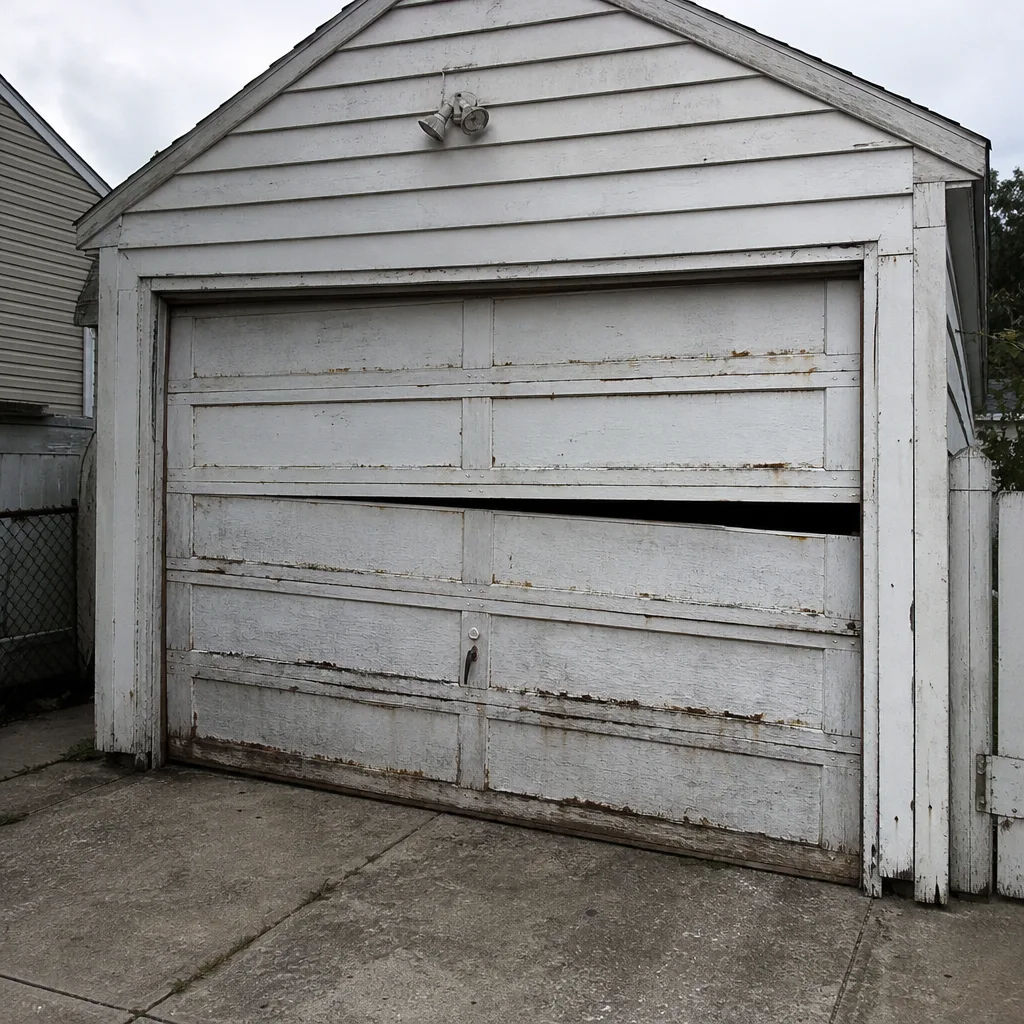 Before
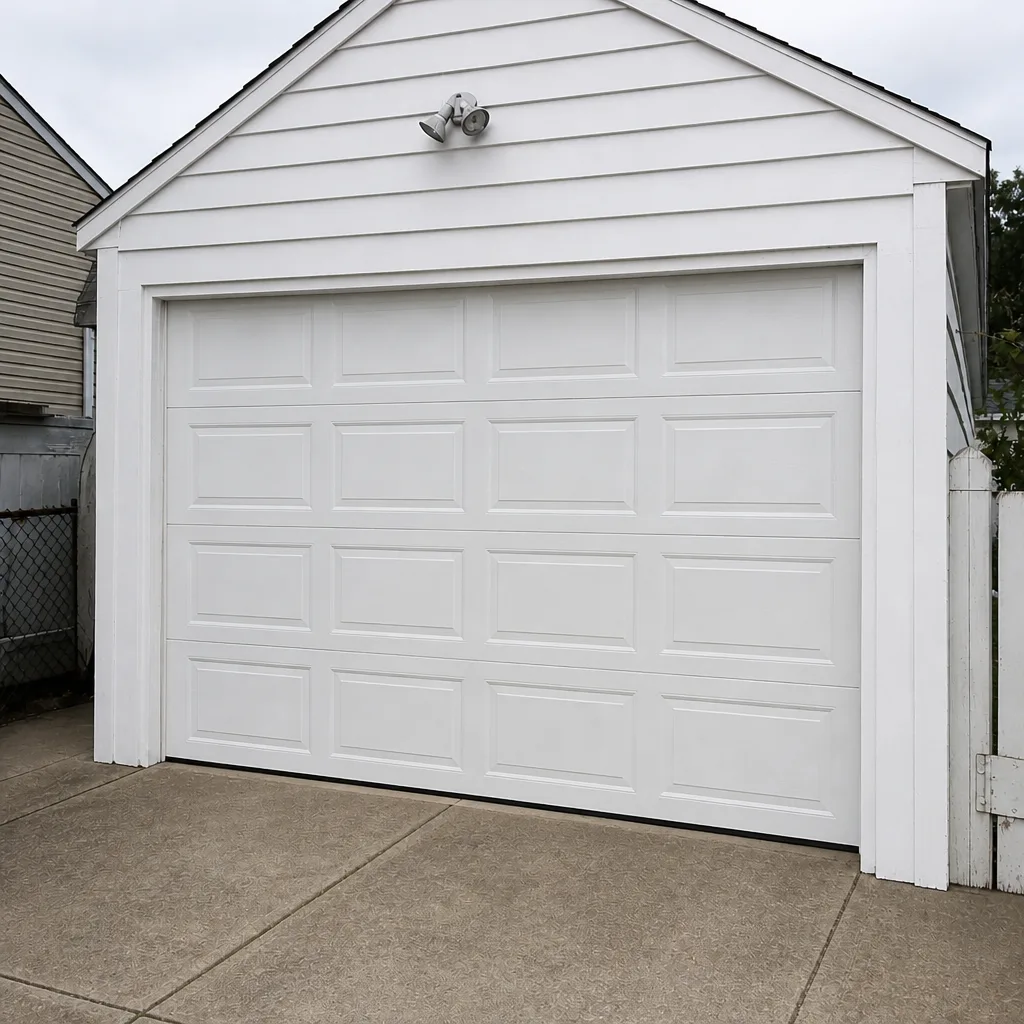 After
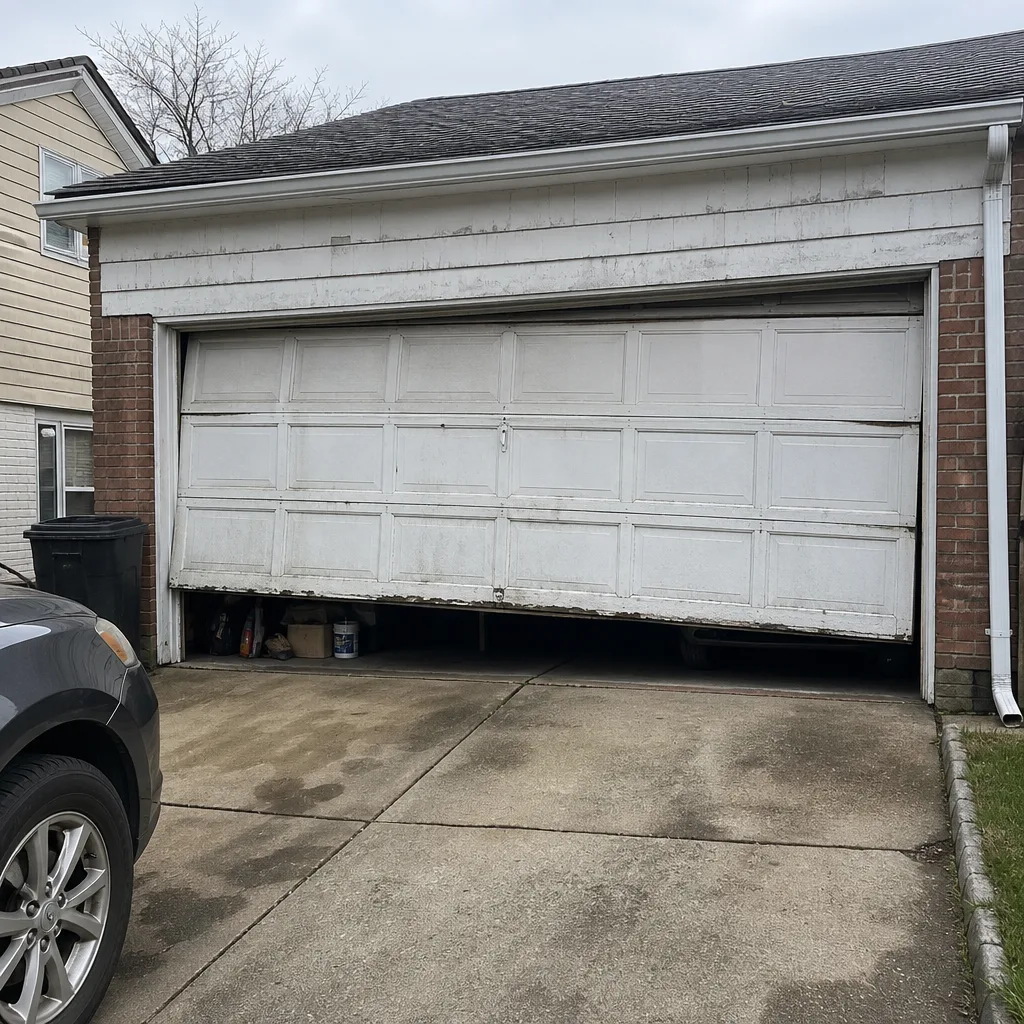 Before
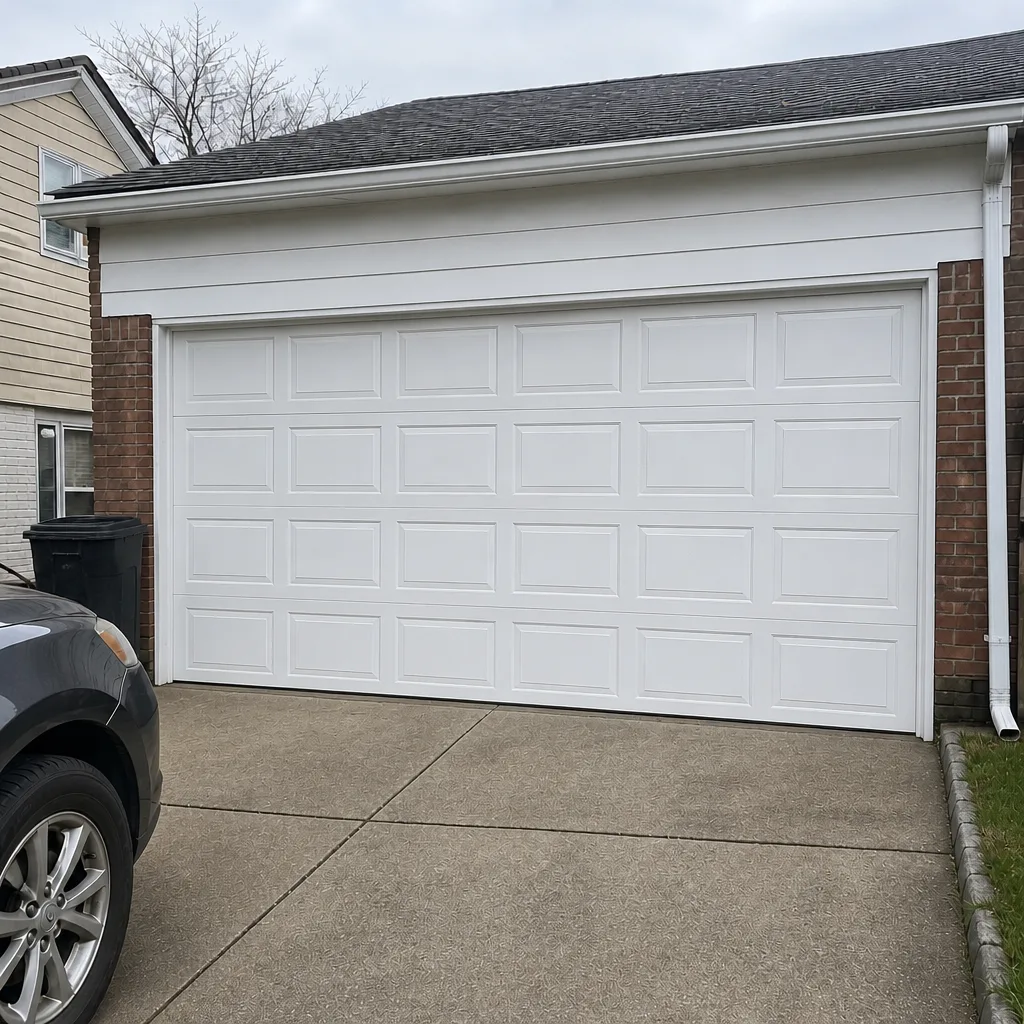 After
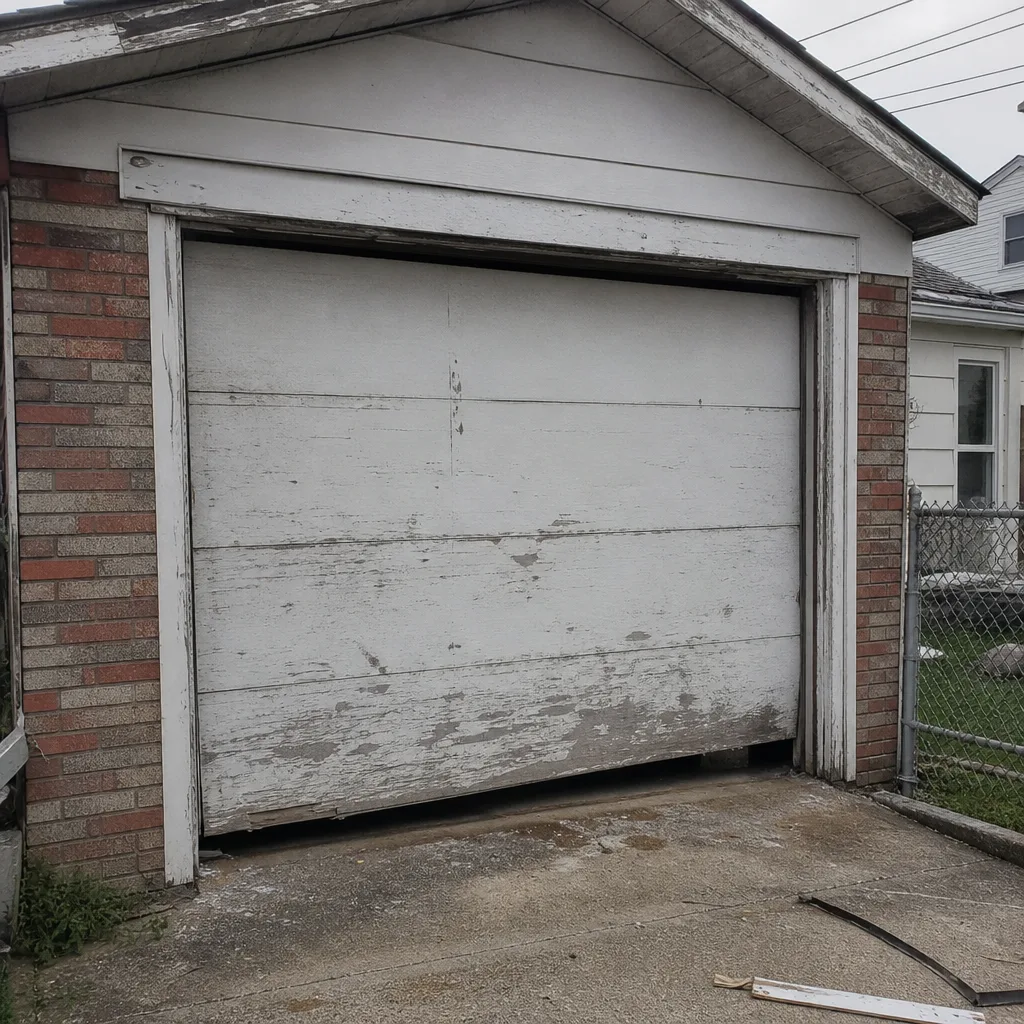 Before
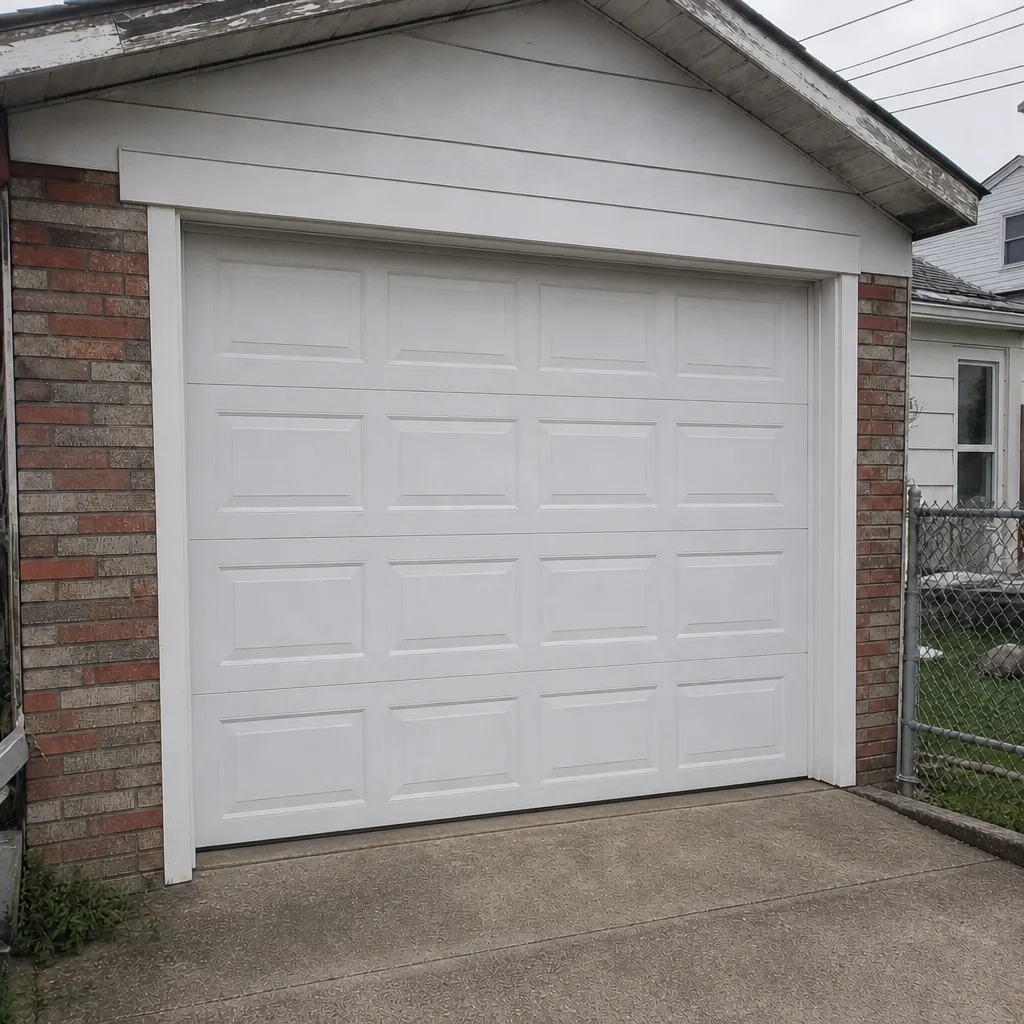 After
When to Call a Professional
Call a professional when the symptom lands on a broken spring, a frayed or snapped cable, a door that’s off the track or visibly racking, a burning smell or damaged wiring, or an opener that hums and won’t lift. Call when you’ve made one of the three safe adjustments and the door still misbehaves. Call when the noise is a grinding rumble through the whole travel, not a squeal. Call when a door has fallen or crashed and you’re not sure the balance is right. Anything that puts weight or tension over your head or hands is the point to step back. Garage Door Repair South Ozone Park offers free estimates in South Ozone Park. Call (877) 810-4860. We answer 24/7. Fast dispatch from 7am to 7pm, Sunday through Friday. The price is quoted and agreed before any work starts, and the written estimate sets the final price.
Frequently Asked Questions
Because the opener’s safety system has detected what it interprets as an obstacle. That’s usually a misaligned or dirty photo-eye, a close-travel limit set too high, or a binding track the door senses on the way down. Clean and align the sensors first, then check the close limit. If both are fine, the door itself is binding. Call (877) 810-4860 for an exact diagnosis; estimates are free.
No. A torsion spring is under extreme tension and can cause serious injury if it releases unexpectedly. The safe approach is to stop using the door and have a trained technician handle the spring. This is the repair we treat as its own specialty, and it’s one we’d never hand to a general handyman. Call (877) 810-4860 to schedule spring repair.
Garage door repair in South Ozone Park is priced per job, and the free written estimate sets the final number before any work begins. Photo-eye alignment and travel-limit adjustments are typically the least expensive, while spring replacement and cable work cost more because of the technical risk and parts involved. You’ll know the price before we start. Call (877) 810-4860 for a free estimate.
Because humidity accelerates rust on springs, cables, rollers, and hinges, and the rust adds friction. A door that gets noisier as the humid season starts is usually telling you about corrosion, not wear. Lubrication and a closer look at the tracks often handle it. Call (877) 810-4860 if the noise is a grinding rumble rather than a squeal.
Disconnect the opener (use the release at the carriage) and move the door by hand. If it’s hard to move or doesn’t stay balanced, the hardware is at fault. If it moves smoothly by hand but the opener struggles, the opener is the issue. Call (877) 810-4860 for a diagnosis; estimates are free.
We work on LiftMaster, Chamberlain, Genie, Clopay, Amarr, Wayne Dalton, Craftsman, and Raynor, among the widely installed systems. That covers most of what’s in South Ozone Park homes. If you’re not sure of your brand, call (877) 810-4860 and we’ll sort it out on the estimate.
No. The written estimate sets the final price, and the price is quoted and agreed before any work starts. That’s the whole point of an estimate. Call (877) 810-4860 to set one up; estimates are free.
The Bottom Line
Most garage door problems in South Ozone Park start with a symptom that can be traced to a specific component: springs, tracks and rollers, sensors, or the opener’s logic. Match the symptom before you touch anything, and you’ll avoid the expensive guessing that turns a small fix into a big one. Three adjustments (photo-eye alignment, travel limits, force settings) are safe for a homeowner. Springs, cables, and anything involving wiring or the inside of the opener go to a technician, every time. South Ozone Park’s humidity and temperature swings accelerate corrosion and track shifts, so a noisy or unreliable door is worth an early look. When the symptom lands on the list of red flags, stop and call.
Call (877) 810-4860 to get a free estimate on your garage door repair in South Ozone Park. We answer 24/7. Fast dispatch from 7am to 7pm, Sunday through Friday. The price is quoted and agreed before any work starts, and the written estimate sets the final price.
Written by the team at Garage Door Repair South Ozone Park.